





Pain and Rehabilitation Center
Pain Rehabilitation Center
Regenerative injection therapy
Recovery completed with customized injections
No surgery! No pain!
Kwangdong Hospital regenerative injection therapy
Promoting the recovery of damaged tissue
and addressing the root cause of pain —
Kwangdong Hospital's non-surgical regenerative injection therapy
Kwangdong regenerative injection therapy
is recommended for patients like these.
We assess the extent of the damage and your current condition
and proceed with customized injection therapy.
-
01
When arthritis makes
movement
difficult -
02
Early degenerative
arthritis, where
treatments other than surgery may be considered
If present -
03
Spine or joint disorders, or
sports injuries, causing
pain -
04
When joint replacement
(non-surgical treatment
surgery is not needed
is more appropriate)
Symptoms
Typical conditions for which non-surgical
treatment is effective
Are you struggling with any of these symptoms?
Now is the time to begin accurate diagnosis and treatment.
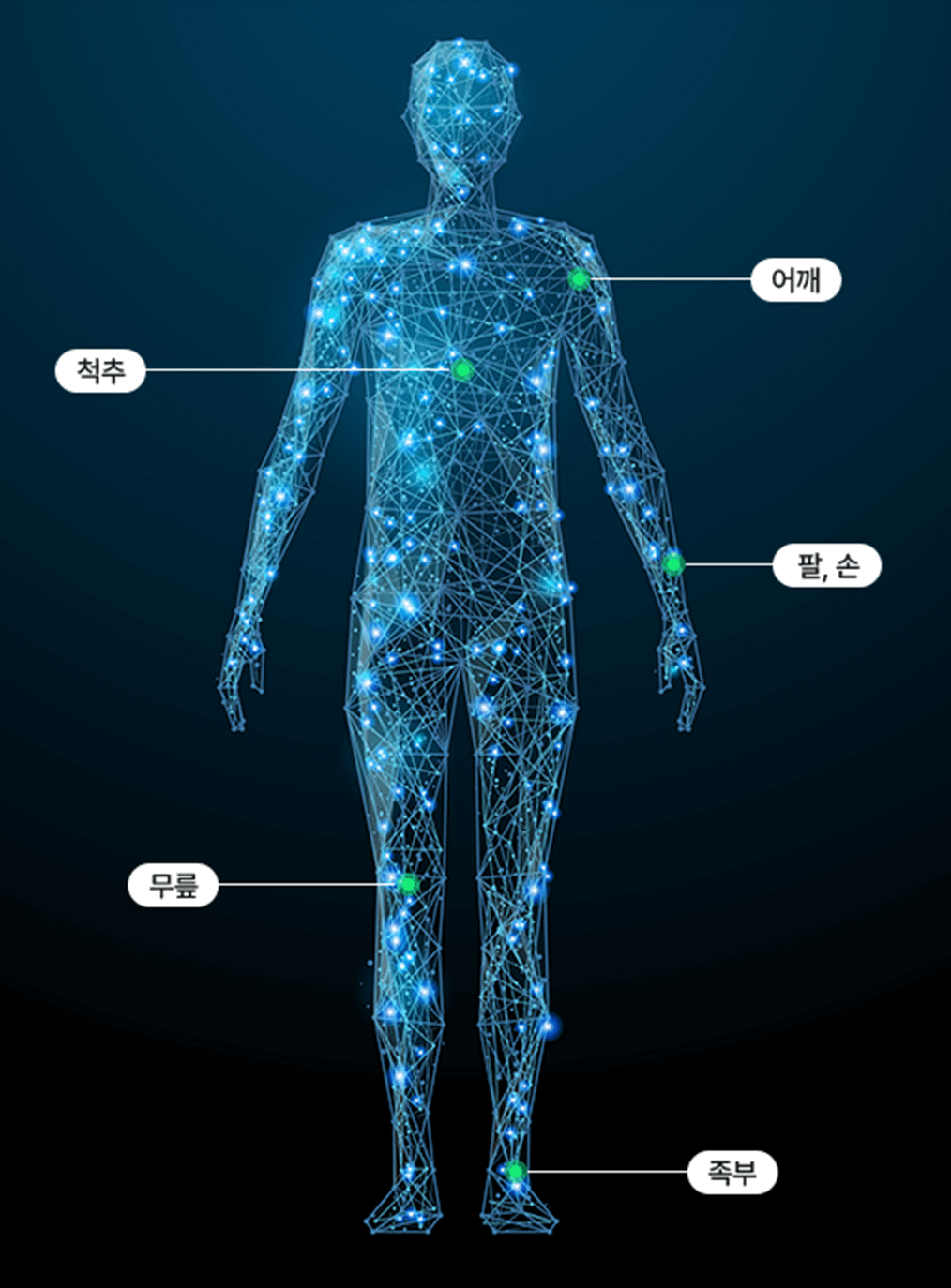
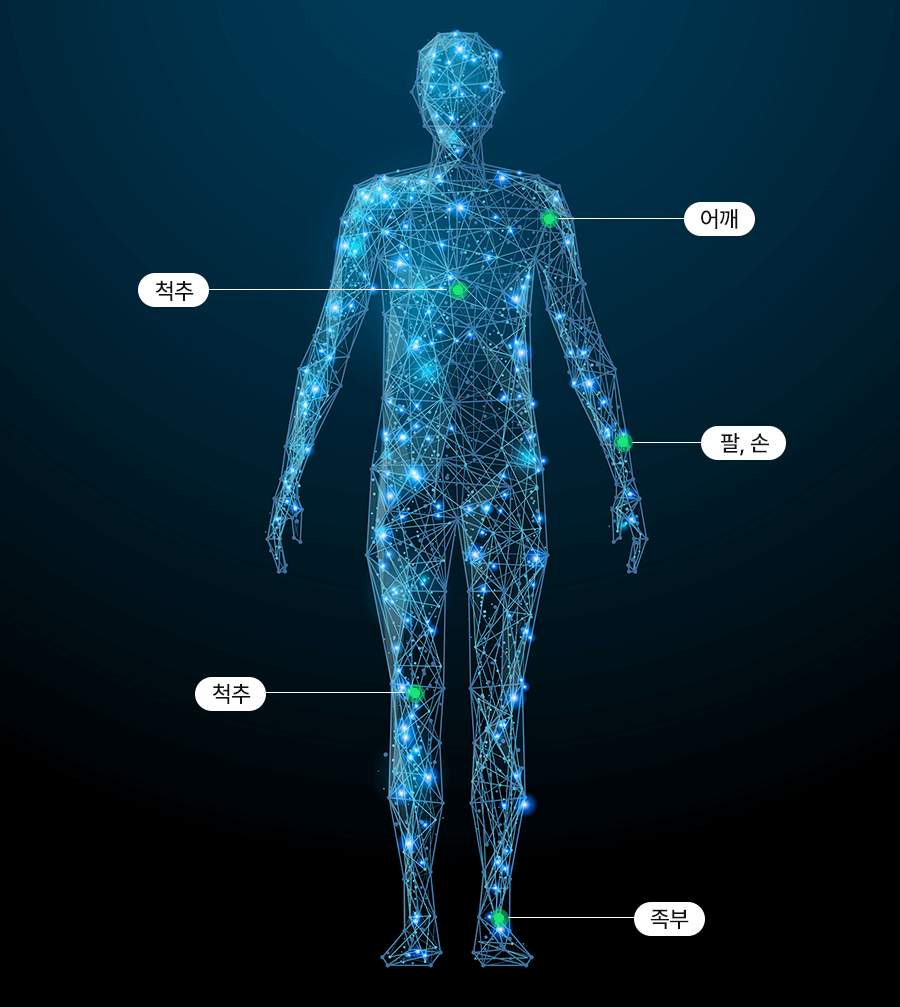
Diagnosis list
-
Shoulder - frozen shoulder, calcific tendinitis, rotator cuff tear
-
Arm and hand - tennis / golfer's elbow, trigger finger, wrist tenosynovitis
-
Spine - herniated disc, spinal stenosis, straight neck syndrome
-
Knee - cruciate ligament injury, chondromalacia, arthritis
-
Foot - Achilles tendinitis, plantar fasciitis
NON-SURGICAL TREATMENT PROGRAM
Kwangdong regenerative and non-surgical injection treatment programs
A safe treatment prescribed after diagnosis by a specialist —
a non-surgical treatment effective for pain and inflammation
-
01
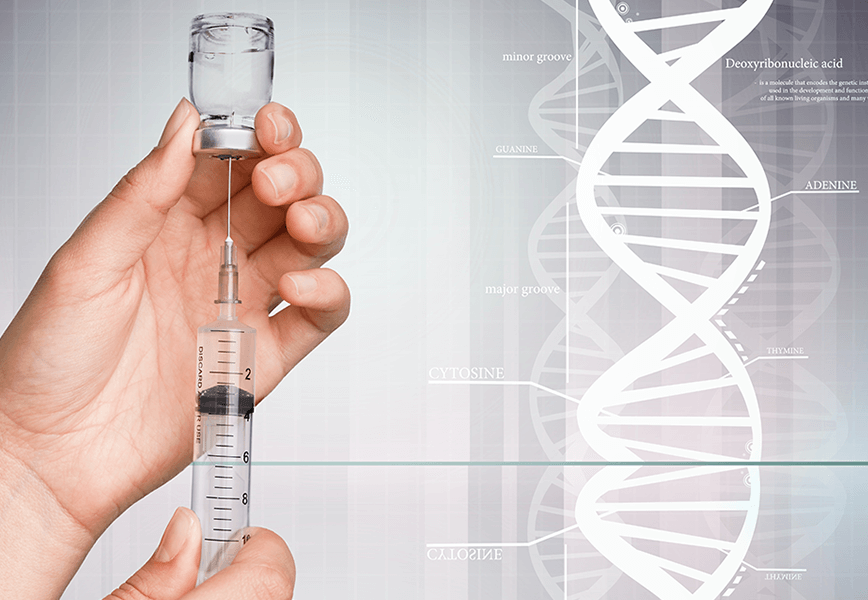
PDRN injection
An injection therapy that uses biocompatible DNA to promote cell regeneration
and speed up the healing of injuries -
02

Collagen injection
An injection therapy that induces the growth of new blood vessels and strengthens
collagen fibers to promote regeneration -
03
Prolotherapy injection
An injection therapy that strengthens ligaments and tendons
to improve joint function* The main ingredient is glucose, which is harmless to the body
-
04
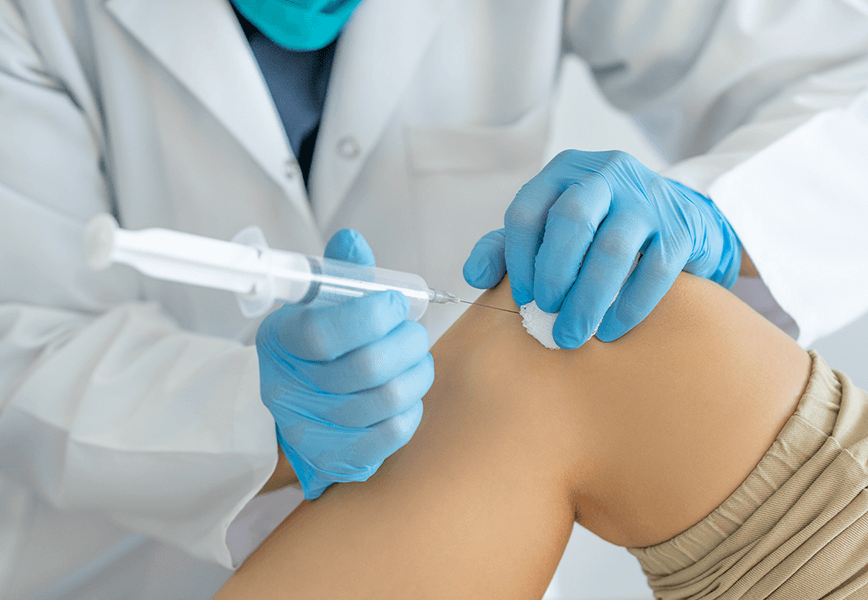
Knee cartilage injection
(hyaluronic acid joint injection)An injection therapy with a composition similar to joint fluid
that helps prevent cartilage and joint destruction -
05
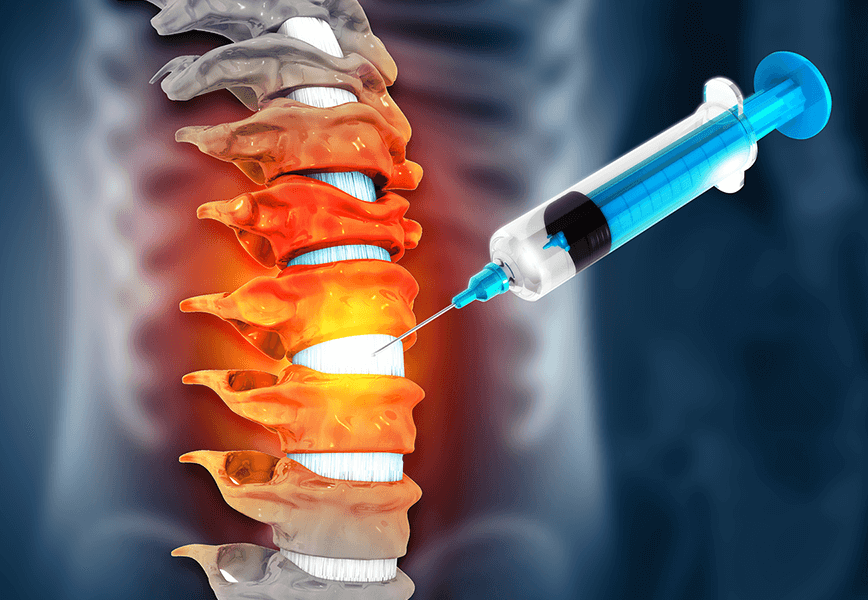
Epidural injection
An injection therapy that uses an anti-inflammatory agent and an irrigation solution in the epidural space
to wash out inflammatory substances -
06
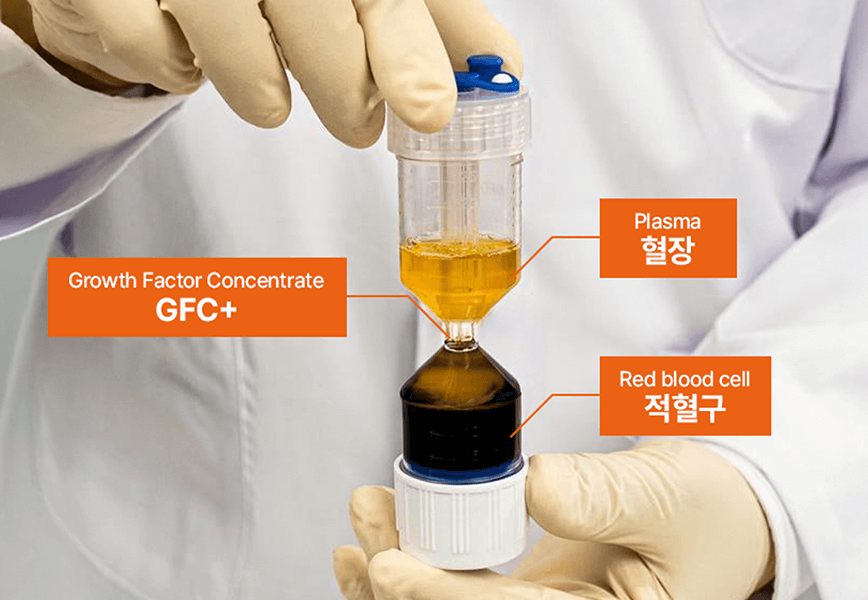
Highly concentrated PRP regenerative injection
An injection therapy with a composition similar to joint fluid that helps prevent cartilage
and joint destruction
- PDRN injection
- Collagen injection
- Prolotherapy injection
(ligament-strengthening injection) - Knee cartilage injection
- Epidural injection
- Highly concentrated PRP
regenerative injection
-
Program 01
PDRN injection program
Check Point!
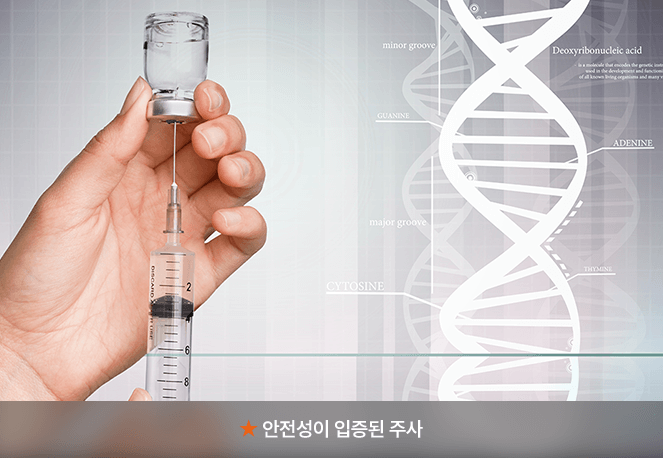
A DNA component closest to human DNA is injected
directly into the body under precise ultrasound guidance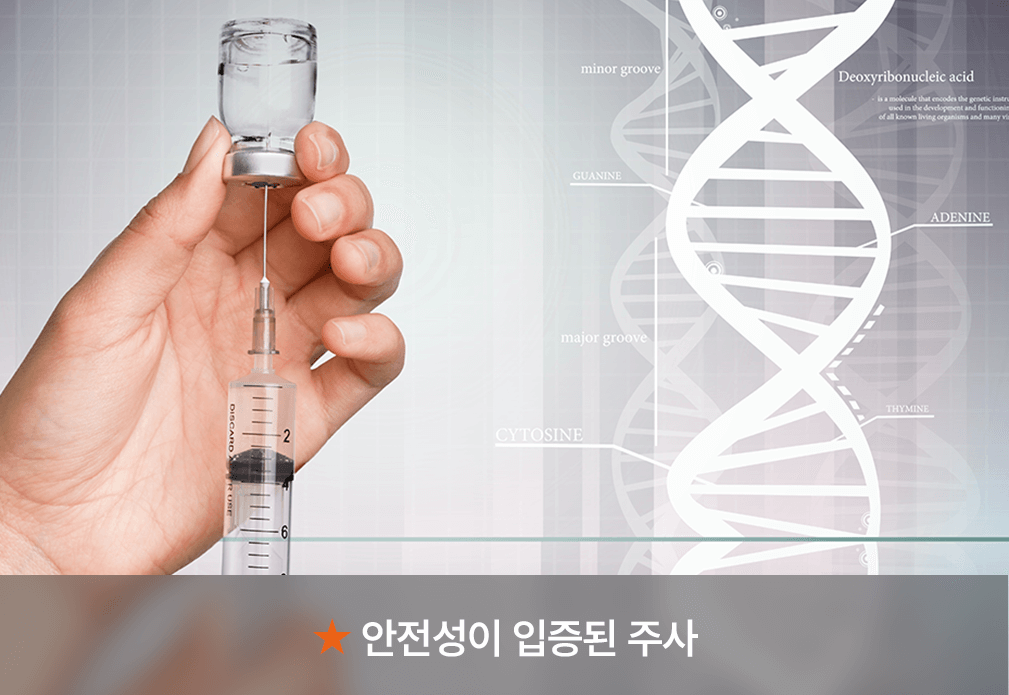
-
Treatment method
A treatment that injects the DNA components needed
into the damaged area to reduce pain
and help damaged tissue regenerate -
Effect
In damaged ligaments, muscles, tendons and cartilage,
it activates cell regeneration
and speeds up recovery.
Application area
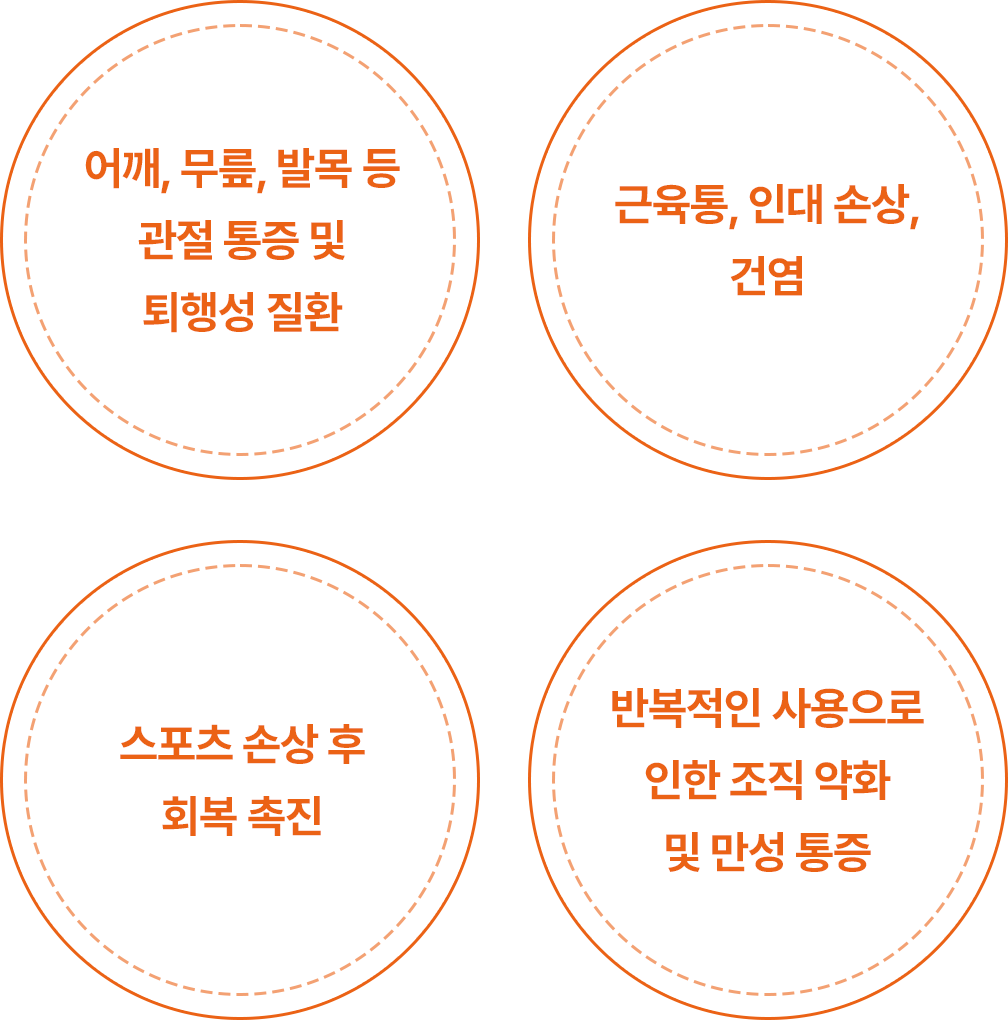

- Joint pain and degenerative disorders of the shoulder, knee, ankle and other joints
- Muscle pain, ligament injury, tendinitis
- Promoting recovery after sports injuries
- Tissue weakening and chronic pain caused by repetitive use
How the PDRN injection works
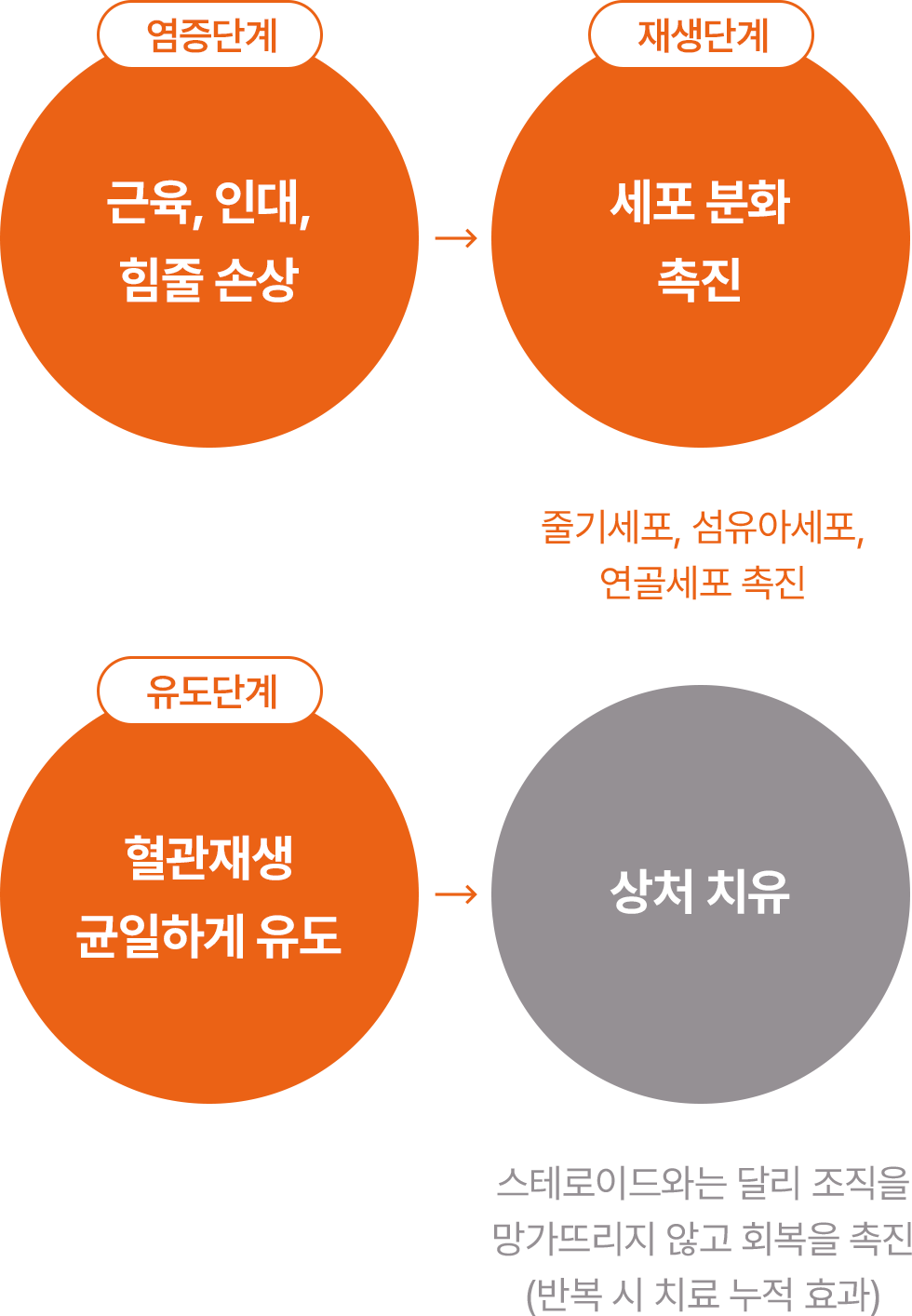
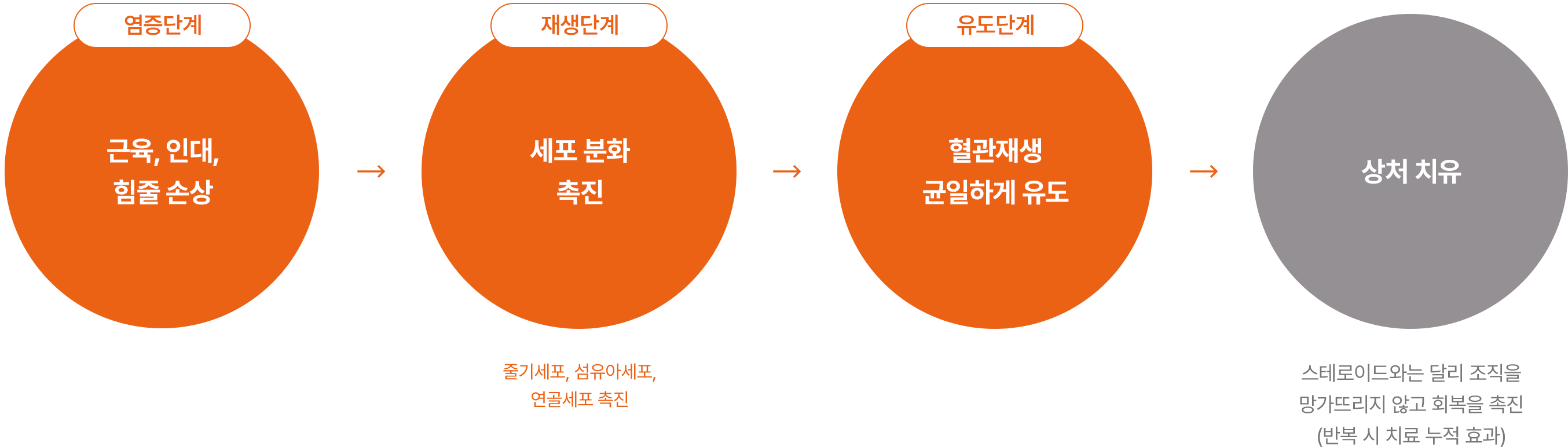
- Inflammatory stage
- Damage to muscle, ligament and tendon
- Regeneration stage
- Promotion of cell differentiation
- Stimulation of stem cells, fibroblasts and cartilage cells
- Induction stage
- Uniform induction of blood vessel regeneration
- Wound healing
- Unlike steroids, it promotes recovery without damaging tissue (effects build up with repeated treatment)
-
-
Program 02
Collagen injection program
Check Point!
Collagen, a main component of ligaments and tendons, is injected
into the painful area using precision ultrasound
-
Treatment method
Promoting the recovery of soft tissue,
ligaments and muscles —
a regeneration-focused treatment -
Effect
It acts on the damaged tissue,
supporting the formation of collagen and blood vessels
to induce regeneration.
Application area
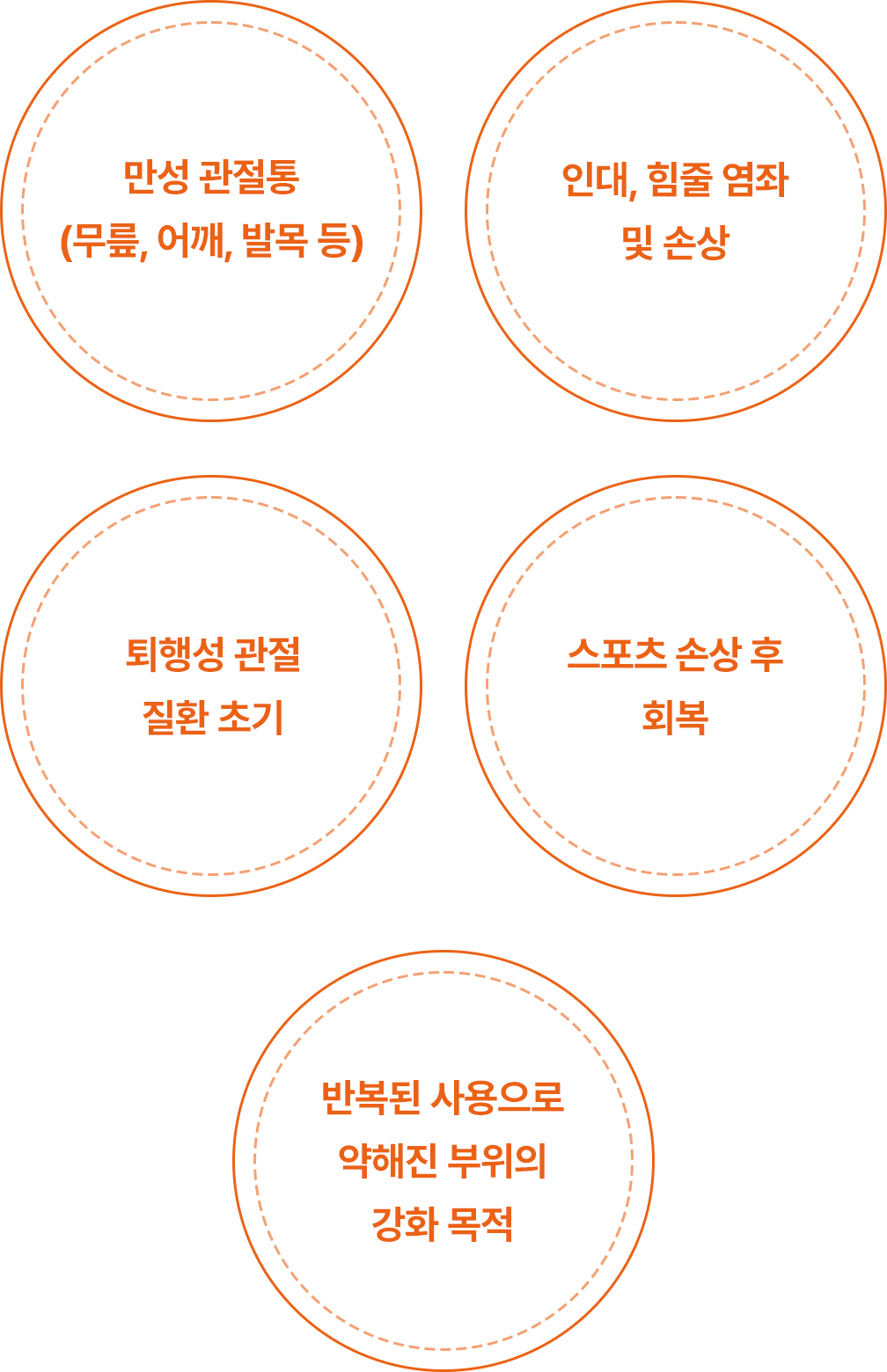

- Chronic joint pain (knee, shoulder, ankle, etc.)
- Sprains and injuries of ligaments and tendons
- Early degenerative joint disease
- Recovery after a sports injury
- Strengthening areas weakened by repetitive use
How the collagen injection works
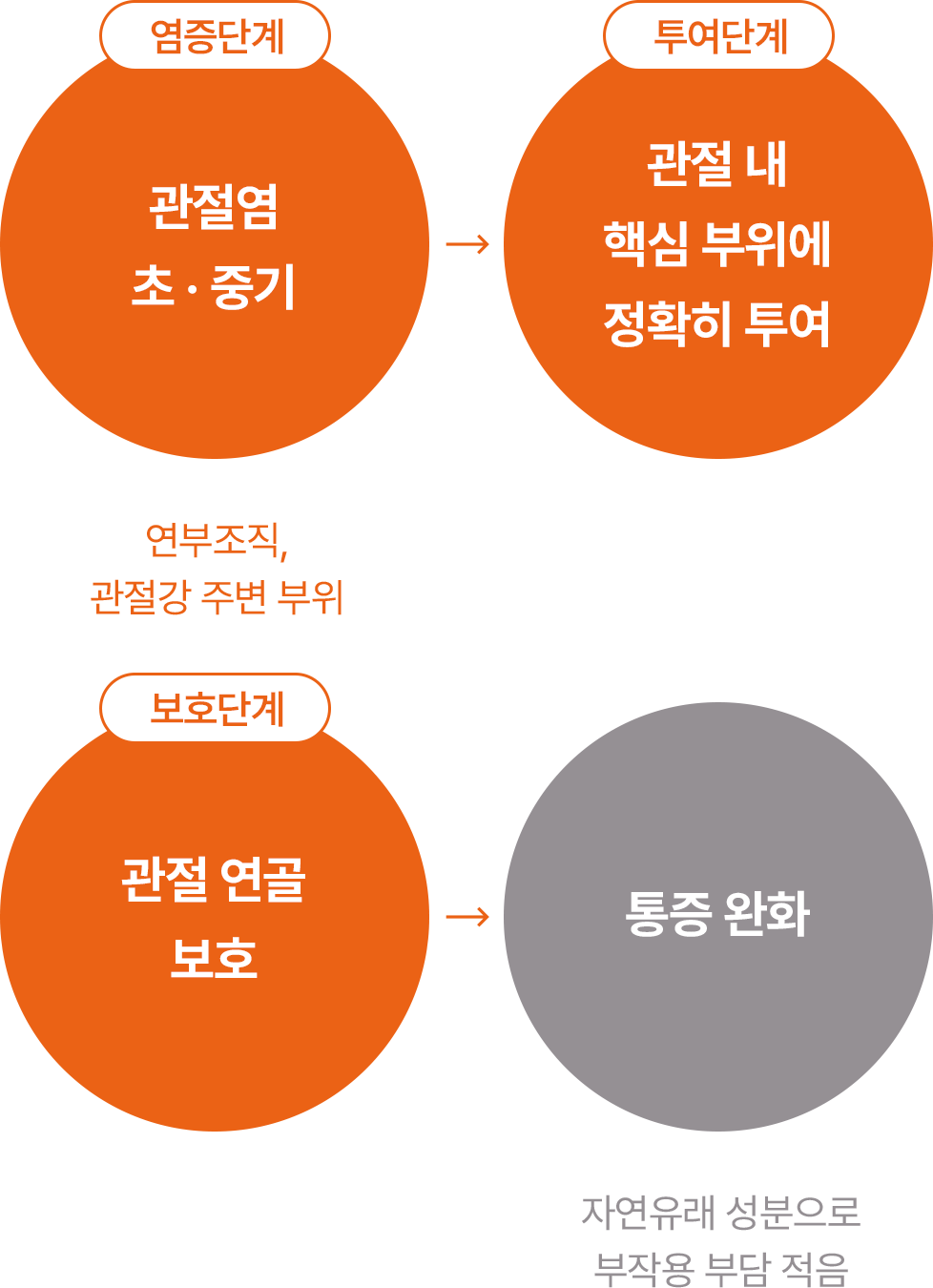
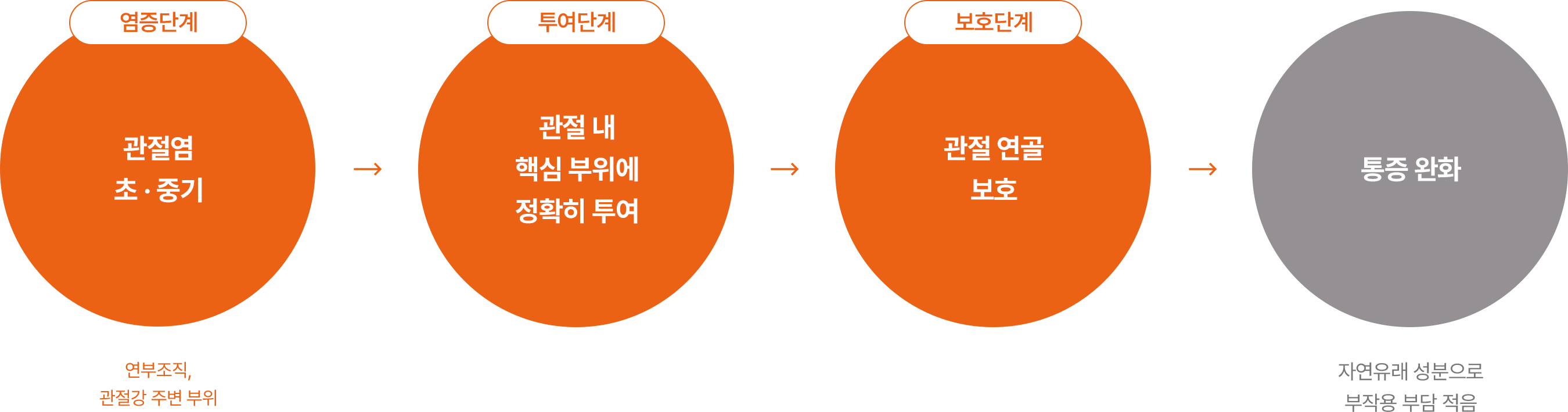
- Inflammatory stage
- Early to mid-stage arthritis
- Soft tissue and the area around the joint cavity
- Administration stage
- Precise administration to the key area inside the joint
- Protection stage
- Protection of the joint cartilage
- Pain relief
- Naturally derived ingredients, with less concern about side effects
-
-
Program 03
Prolotherapy injection program
(ligament-strengthening injection)Check Point!
The painful area is confirmed with ultrasound and
injected directly into the ligament or tendon
-
Treatment method
A regenerative treatment that strengthens the weakened
ligaments and tendons around the joint, reducing pain
and improving function -
Effect
It induces tissue proliferation
to repair the damaged area,
and strengthens function through cell regeneration in the inflamed area
Application area
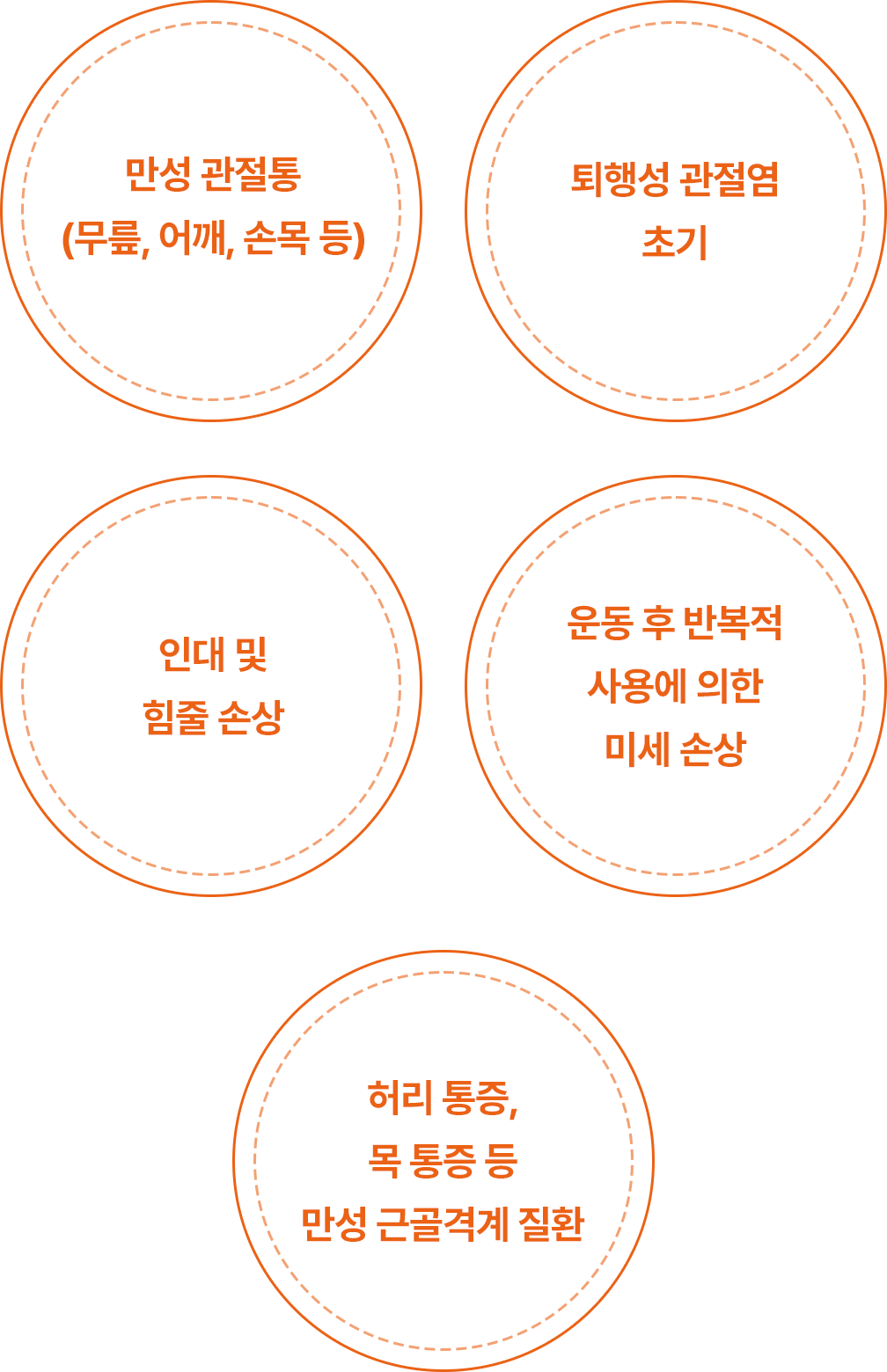

- Chronic joint pain (knee, shoulder, wrist, etc.)
- Early degenerative arthritis
- Ligament and tendon injuries
- Microdamage from repetitive use after exercise
- Chronic musculoskeletal conditions such as low back pain and neck pain
How the prolotherapy injection works
※ For accuracy and safety of treatment,
it is very important to be treated by an experienced specialist.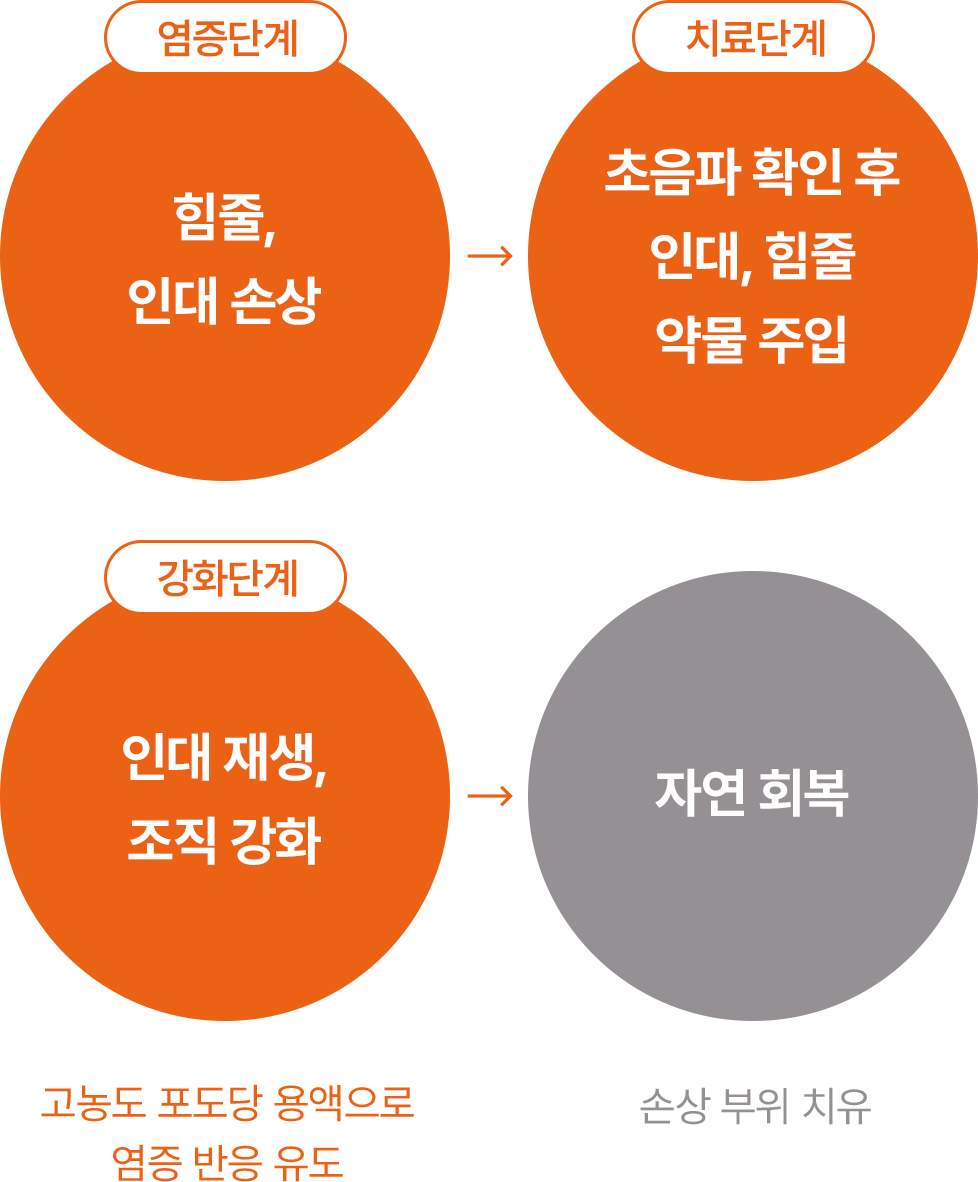
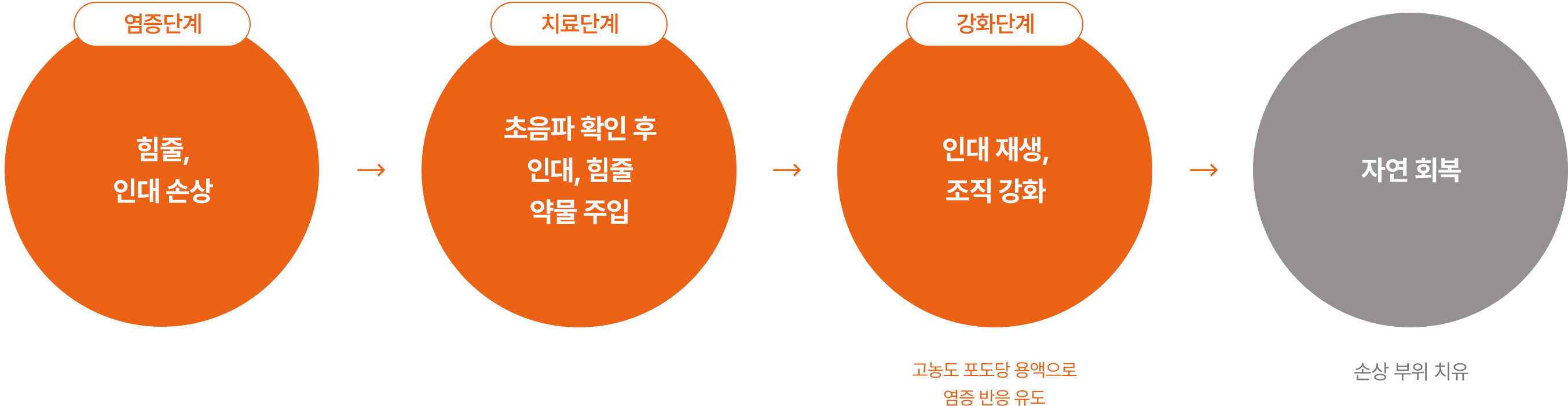
- Inflammatory stage
- Tendon and ligament damage
- Treatment stage
- After ultrasound confirmation, medication is injected into the ligament and tendon
- Strengthening stage
- Ligament regeneration, tissue strengthening
- A high-concentration glucose solution induces an inflammatory response
- Natural recovery
- Healing of the damaged area
-
-
Program 04
Knee cartilage injection program
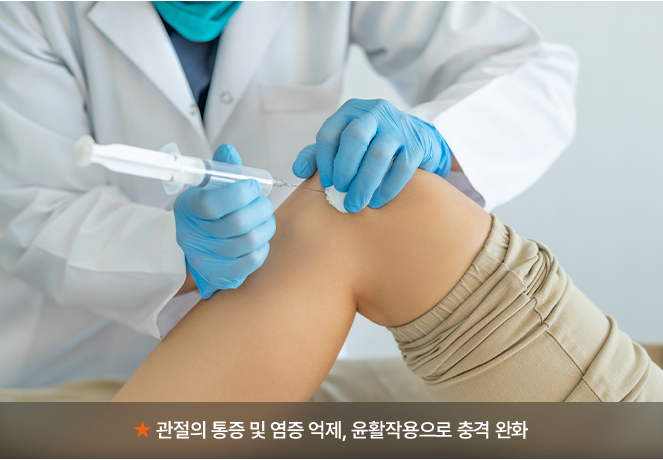
(hyaluronic acid / steroid joint injection)Check Point!
Hyaluronic acid or a steroid is injected
into the knee joint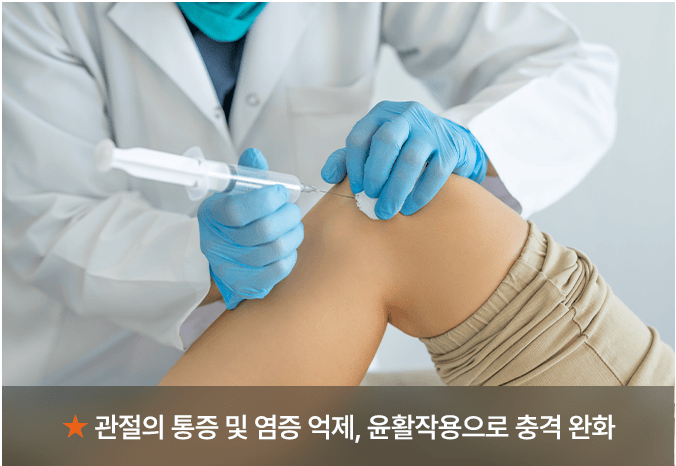
-
Treatment method
Hyaluronic acid or a steroid is injected directly into the knee joint;
it takes about 10 minutes, with about 3~5 injections at weekly intervals; the fewer the injections, the higher the concentration -
Effect
Hyaluronic acid: lubricates the joint and absorbs impact
Steroid: suppresses inflammation, relieves acute pain
Application area
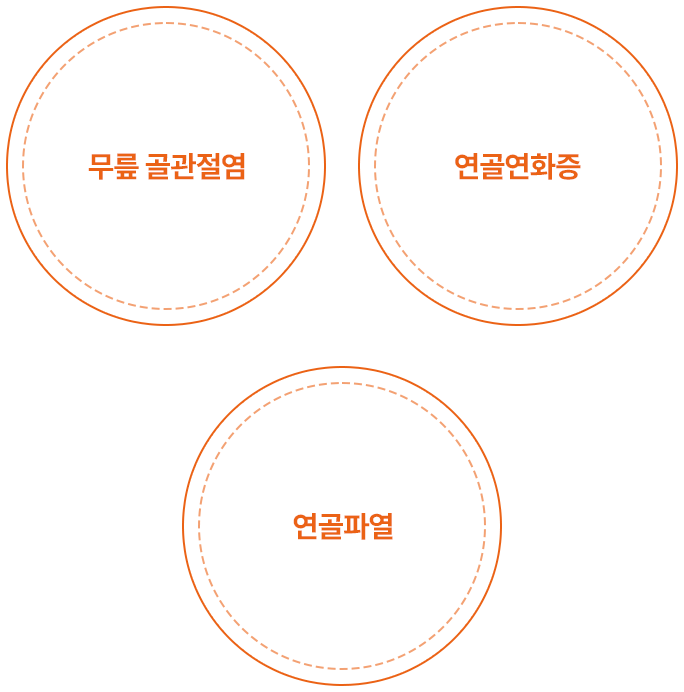

- Knee osteoarthritis
- Chondromalacia
- Cartilage tear
How knee cartilage injections work
※ For accurate and safe treatment, it is very important to have the procedure performed by an experienced specialist.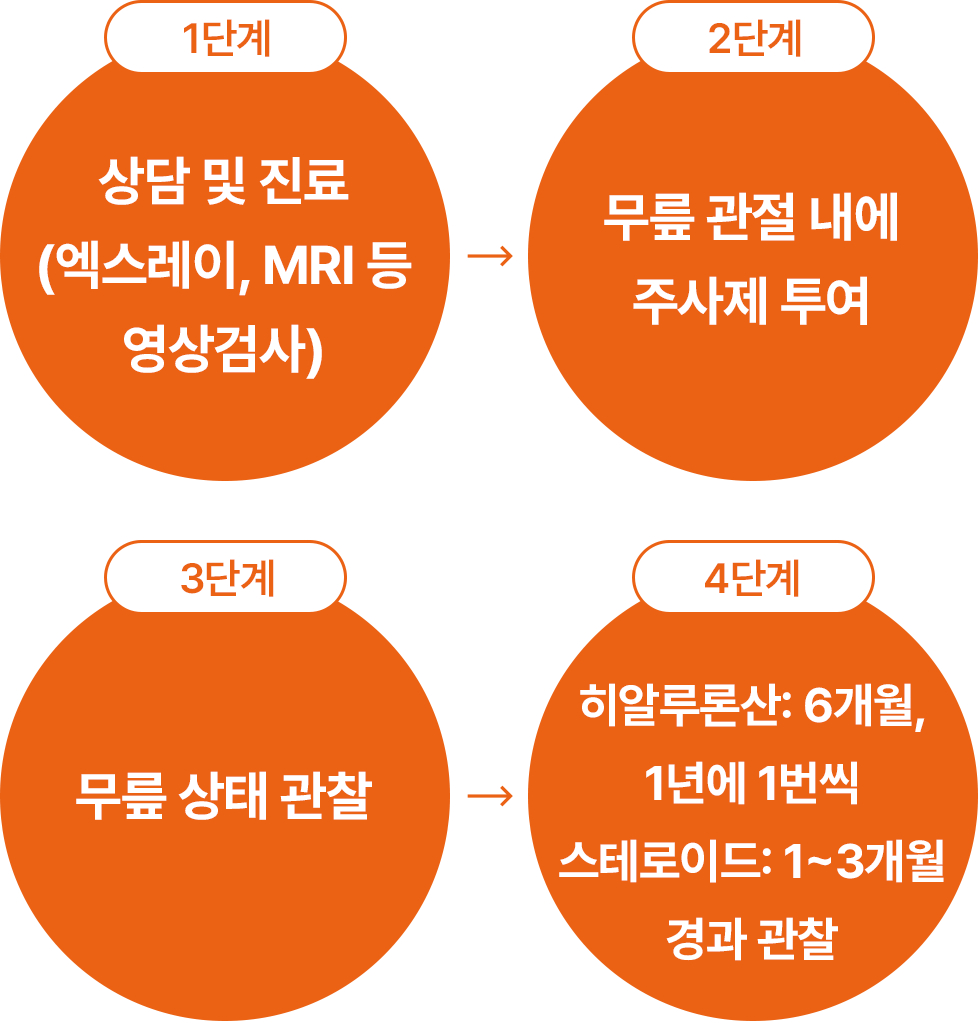
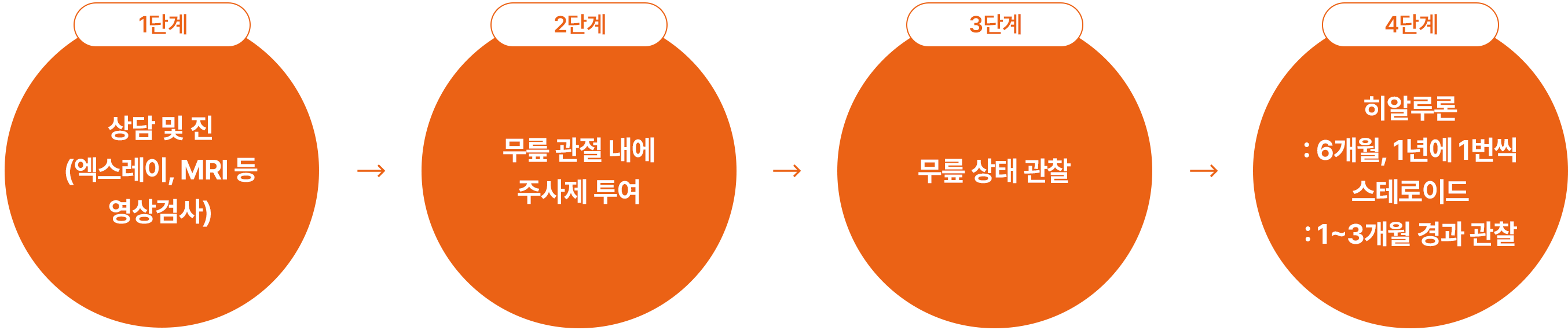
- Consultation and examination (imaging such as X-ray and MRI)
- Injection administered into the knee joint
- Monitoring of the knee's condition
- Hyaluronic acid: once every 6 months or once a year / Steroid: follow-up at 1~3 months
-
-
Program 05
Epidural injection program
Check Point!
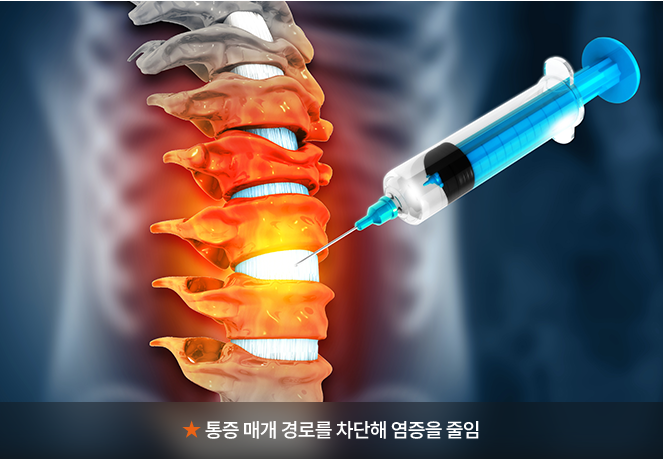
A steroid that produces an anti-inflammatory response
is injected in a small amount into the local area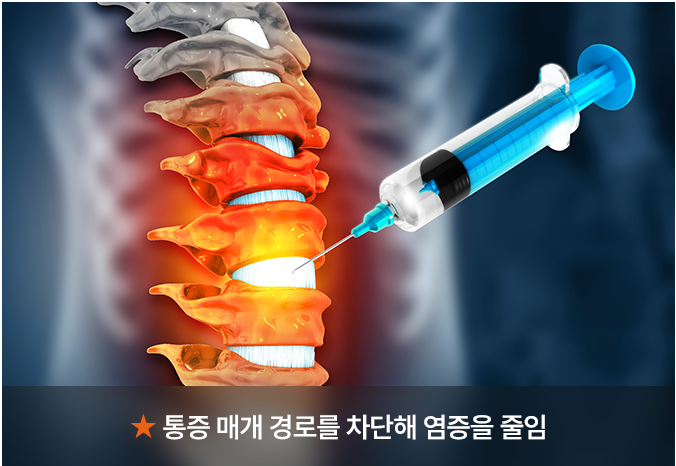
-
Treatment method
In the epidural space, guided by fluoroscopic imaging equipment (C-Arm),
an anti-inflammatory agent and an irrigation solution are used to wash out inflammatory substances -
Effect
Anti-inflammatory effect, stabilization of the cell membrane, pain relief
Application area
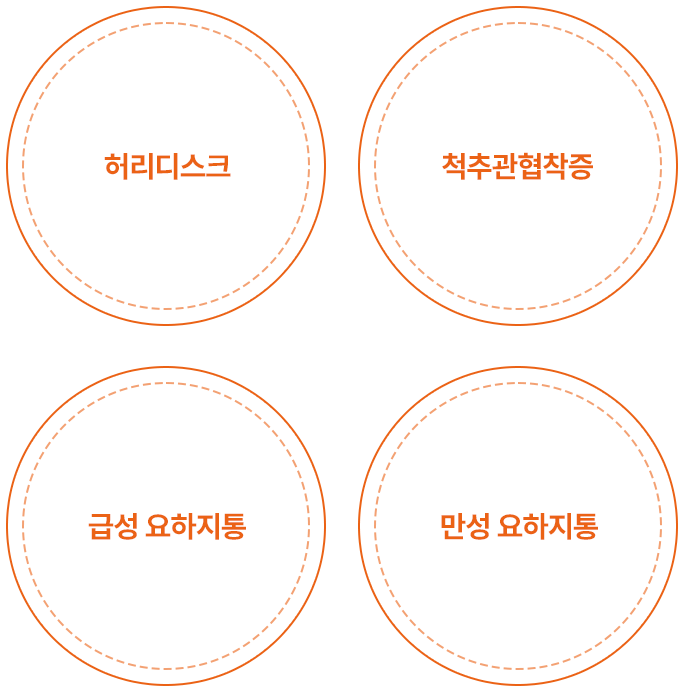

- Herniated lumbar disc
- Spinal stenosis
- Acute lower back and leg pain
- Chronic lower back and leg pain
How knee cartilage injections work
※ For accurate and safe treatment, it is very important to have the procedure performed by an experienced specialist.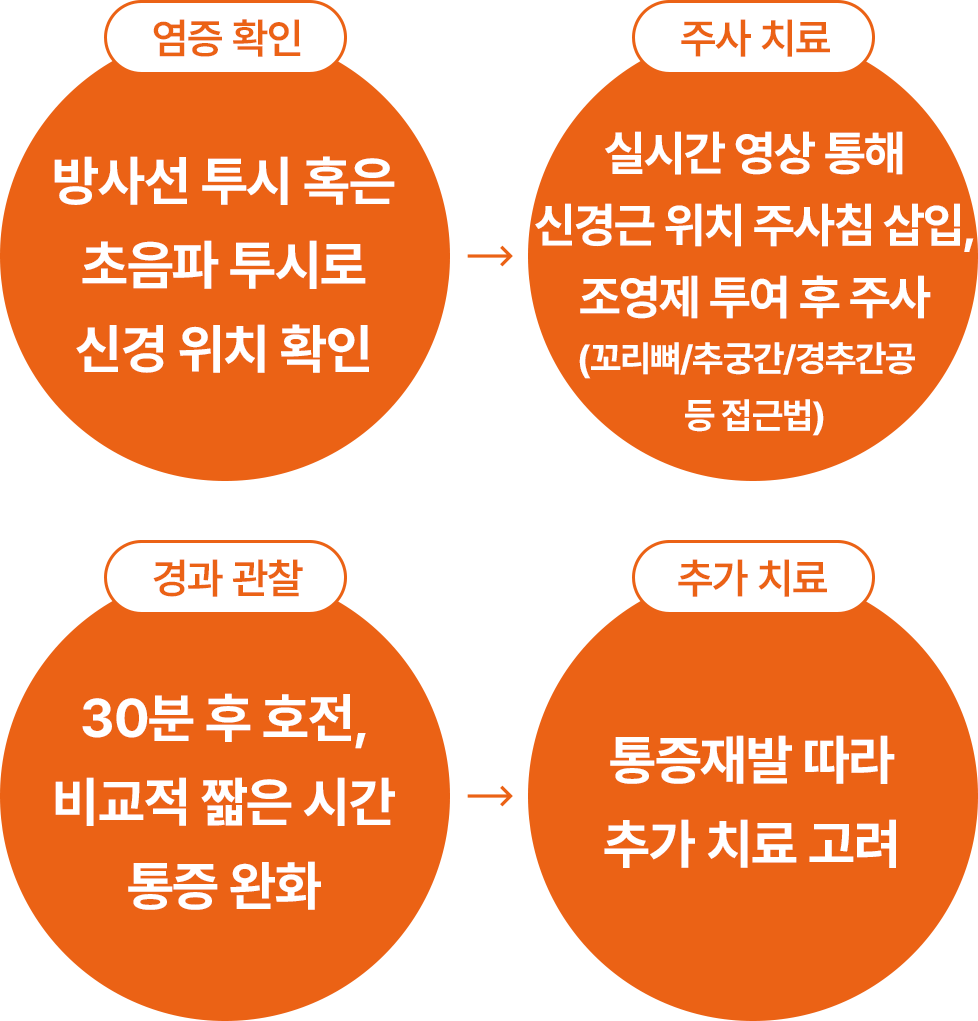
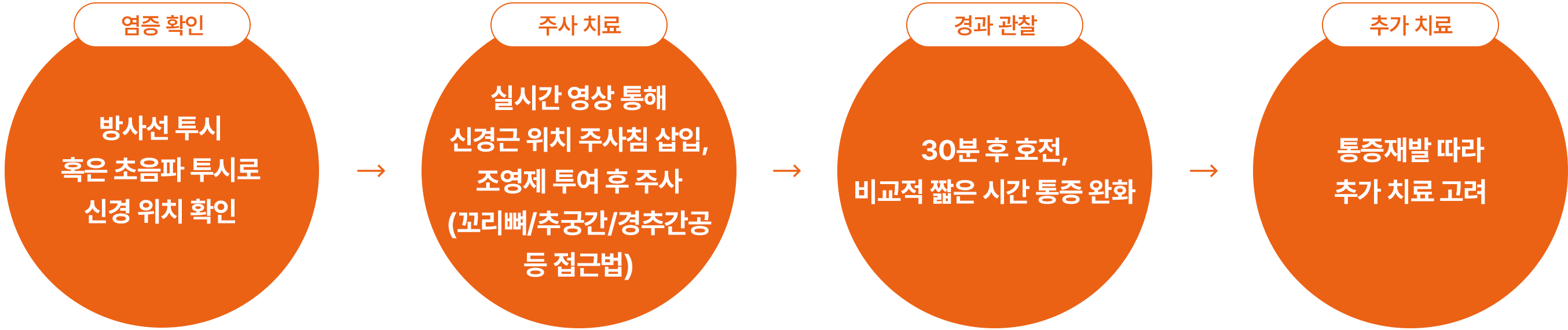
- The position of the nerve is confirmed by fluoroscopy or ultrasound
- Under real-time imaging the needle is inserted at the nerve root, contrast medium is given, and the injection is made (caudal, interlaminar, transforaminal and other approaches)
- Improvement after 30 minutes; pain relief in a relatively short time
- Additional treatment considered if the pain returns
-
-
Program 06
Highly concentrated PRP regenerative injection (Kwangdong PRPGFC+)
Check Point!
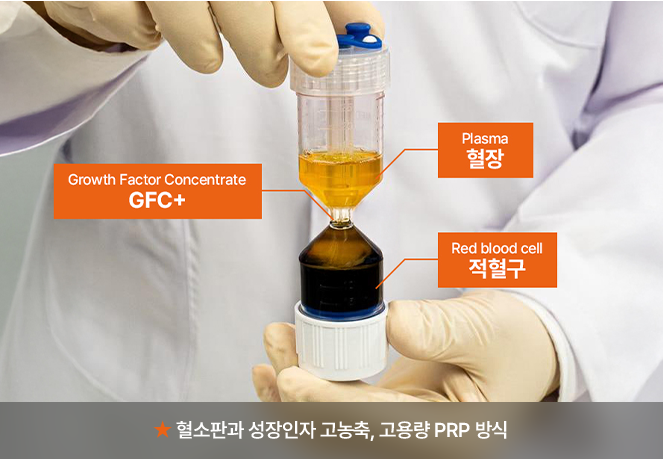
Compared with conventional PRP, the concentration of platelets and growth factors
is dramatically increased — a 'high-dose PRP' method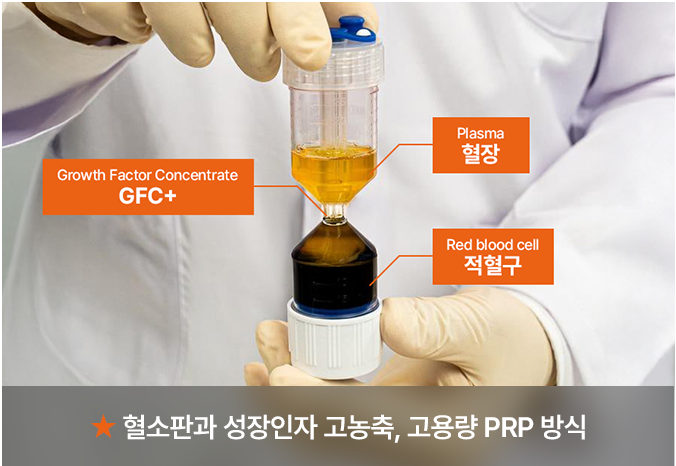
-
Treatment method
PRP (Platelet-Rich Plasma) is a treatment in which platelets and growth factors (regenerative factors) are separated at high concentration from the patient's own blood and injected directly into the damaged tissue. At Kwangdong Hospital it is performed as a 'high-dose PRP' method that dramatically increases the concentration of platelets and growth factors compared with conventional PRP.
-
Effect
Maximizes tissue regeneration and pain relief
Application area
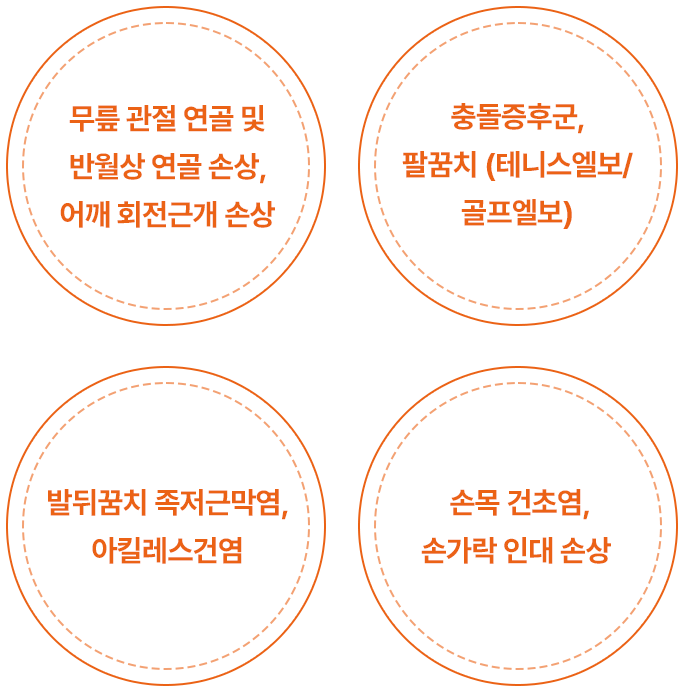

- Knee joint cartilage and meniscus injuries, rotator cuff injuries of the shoulder
- Impingement syndrome, elbow (tennis elbow / golfer's elbow)
- Plantar fasciitis of the heel, Achilles tendinitis
- Wrist tenosynovitis, finger ligament injuries
How the highly concentrated PRP regenerative injection works
※ For accurate and safe treatment, it is very important to have the procedure performed by an experienced specialist.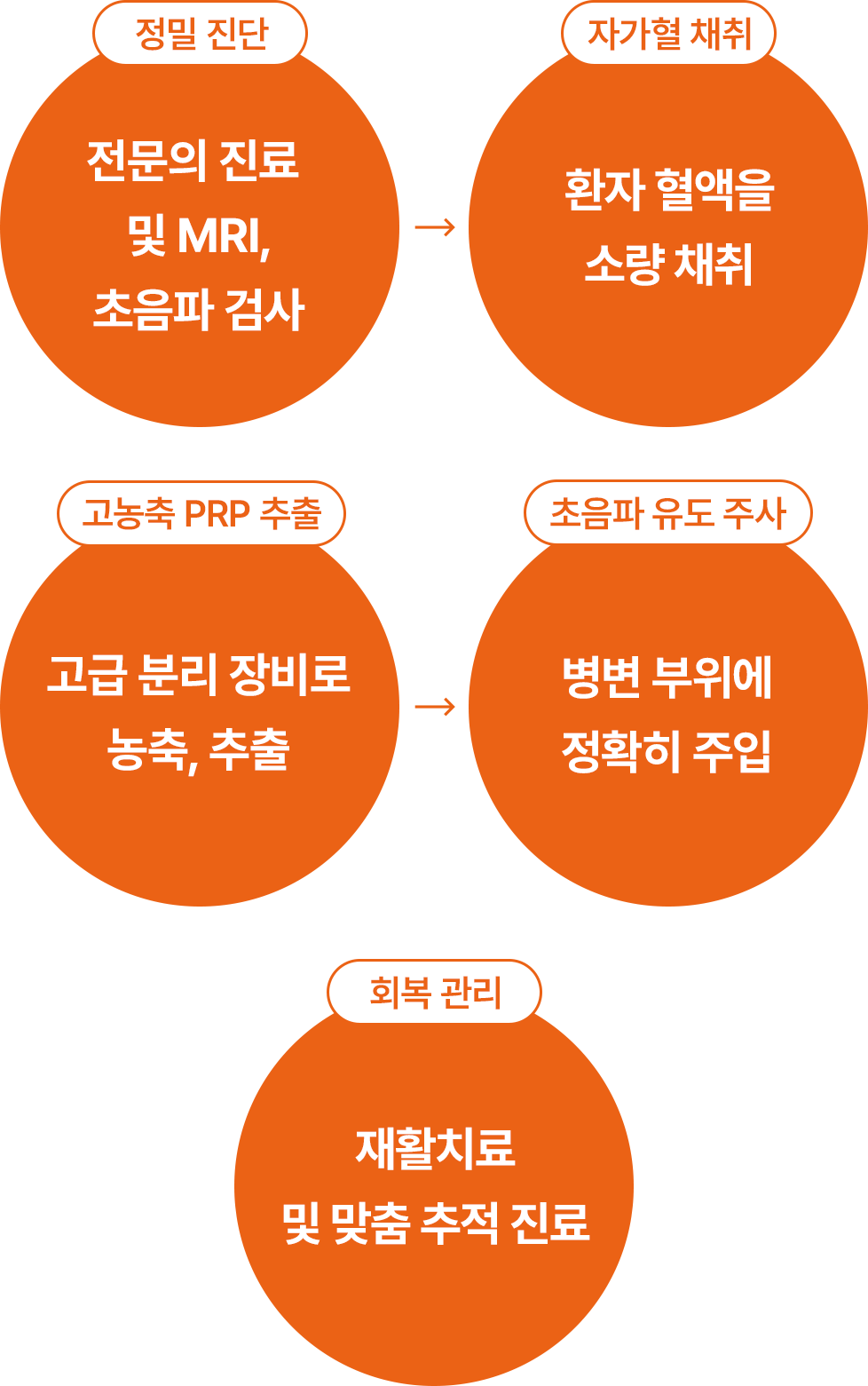
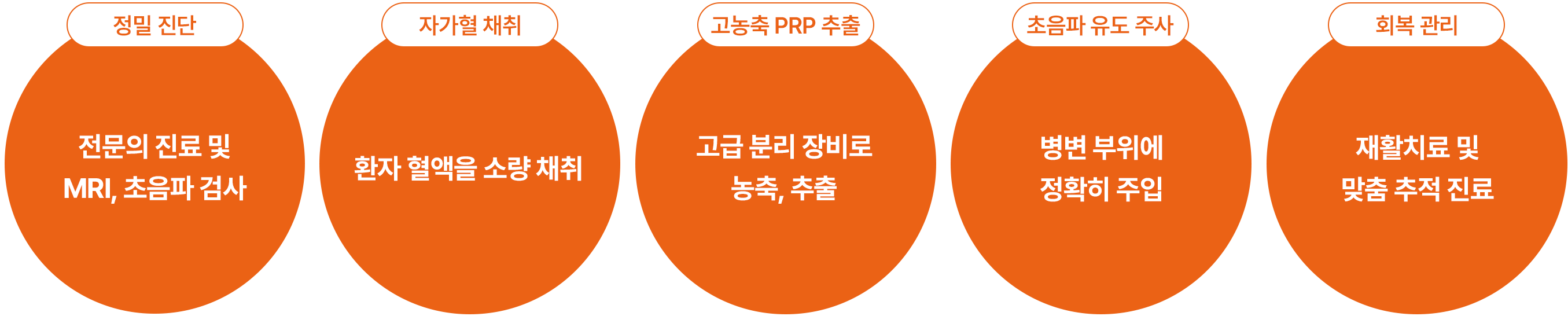
- Specialist consultation and MRI and ultrasound examination
- A small amount of the patient's blood is drawn
- Concentrated and extracted with advanced separation equipment
- Injected precisely into the affected area
- Rehabilitation therapy and customized follow-up care
-
Check Point
With personalized injection therapy,
we relieve pain without surgery.
Kwangdong Hospital's regenerative injection therapy is
a non-surgical treatment that even older adults and pregnant women, for whom surgery is difficult,
can receive with confidence.
-
01
One-on-one personalized
Injection therapy
-
02
Little time required —
a quick procedure
-
03
Healthier and
faster relief from pain
-
04
A treatment with a lower
possibility of side effects
Question
Frequently asked questions about non-surgical treatment
- Q1
- My pain is severe — is injection therapy alone
enough instead of surgery?

- Most musculoskeletal pain can improve sufficiently with injection therapy instead of surgery.
However, Accurate diagnosisis needed for a specialist to determine whether treatment is possible, and the approach depends on
the severity and progression of the symptoms— it can vary from case to case.
- Q2
- Does injection therapy hurt?
- There may be slight pain depending on the area treated, but in most cases it is a tolerable level of discomfortand,
when needed, local anesthesiais used as well, so treatment can be received relatively comfortably.
- Q3
- Are there any side effects or risks?
- When specialists perform the procedure safely at the exact site, the possibility of side effects is very low.
In rare cases, however, temporary swelling, pain or bruising may occur, and these usually resolve within a few days.
Every procedure is carried out safely after a prior check of your condition.
- Q4
- When does injection therapy
start to take effect?
- It varies from person to person, but usually improvement after 1~2 treatmentsis felt by some patients, and
a noticeable change after 3~4 or more sessionsis what many patients experience.
The recovery period after treatment and your lifestyle habits also affect recovery.
- Q5
- Among the many types of injection therapy,
which one should I have?
- Each injection differs in its effect and mode of action, so after an accurate diagnosis,
and in line with the patient's condition, the specialist recommends the most appropriate treatmentfor you.
- Q6
- Right after the procedure,
can I go about my daily life?
- In most cases, after the procedure you can go home the same day and return to your daily routine.
Strenuous exercise or excessive activity is best avoided for about 1~2 days.
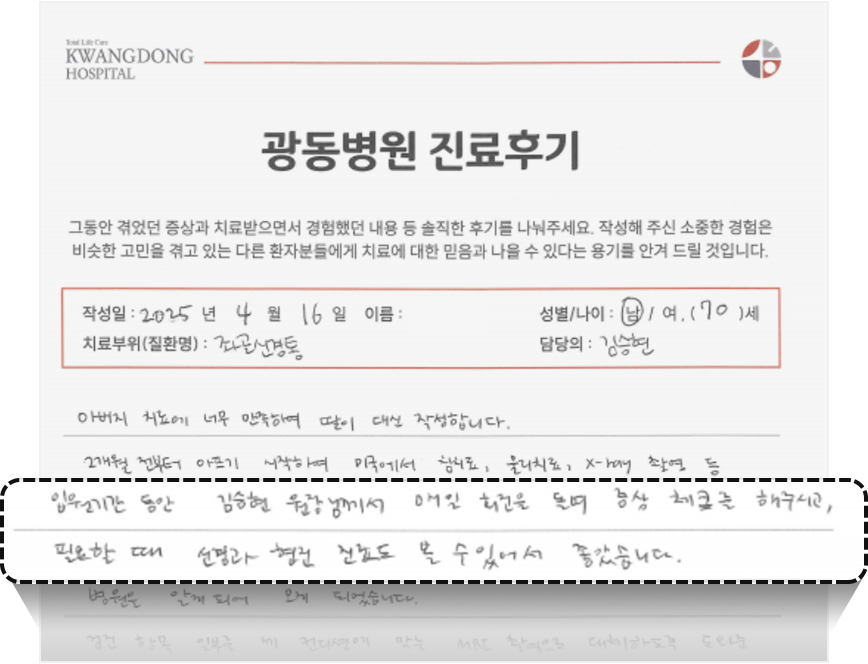
BEST REVIEW
The attentive care of our medical staff
makes a different result!
Beyond simple treatment,
the quality of life of every single patient
is what we care about
Kwangdong Hospital's care philosophy
is reflected in countless patient reviews.
Honest treatment reviews from those who experienced it firsthand -
see them now!


From the cause of every pain to recovery,
precisely, through collaborative care
Orthopedics · Rehabilitation Medicine · Neurology
· Radiology · Internal Medicine specialists
Integrative care
Check Point !


- Center Director Shin Sang-hoon
- We aim for warm care and fundamental treatment.
Specialties
Regenerative injection therapy ㅣ Post-operative rehabilitation ㅣ Sarcopenia ㅣ Sports rehabilitation ㅣ Musculoskeletal pain and arthritis ㅣ Frozen shoulder ㅣ Golfer's / tennis elbow ㅣ Carpal tunnel syndrome ㅣ Sports injuriesPlantar fasciitis ㅣ Fracture ㅣ Degenerative arthritis ㅣ General orthopedic care
Under the judgment of specialists,
collaborative care is provided

Using Severance's latest
rehabilitation treatment protocols,
we set pain without recurrence as our goal
and carry treatment through.
rehabilitation treatment protocols,
we set pain without recurrence as our goal
and carry treatment through.

- Shin Sang-hoon
- Center Director
We aim for warm care and fundamental treatment.
Specialties
Regenerative injection therapy ㅣ Post-operative rehabilitation ㅣ Sarcopenia ㅣ Sports rehabilitation ㅣ Musculoskeletal pain and arthritis ㅣ Frozen shoulder ㅣ Golfer's / tennis elbow ㅣ Carpal tunnel syndrome ㅣ Sports injuries ㅣ Plantar fasciitis ㅣ Fracture ㅣ Degenerative arthritis ㅣ General orthopedic care