





Internal Medicine/Wellness Center
Internal Medicine / Integrative Wellness Center
Movement Disorders Clinic
Movement Disorders Clinic
Movement Disorders Clinic
Our highly experienced medical staff, through careful history taking,
neurological examination
and advanced brain imaging, diagnose the underlying disorder
accurately and provide appropriate treatment.
Integrated care is also available for degenerative neurological disorders
accompanied by cognitive impairment.
Types of Movement Disorders
Types of movement disorders
Movement disorders arise from an abnormality in the system that controls
our body's movement, making movements slow or
causing abnormal, excessive movements.
-

Hypokinetic disorders
· Parkinson's disease
· Secondary parkinsonism
· Progressive supranuclear palsy
· Multiple system atrophy
· Gait disorder
-


Hyperkinetic disorders
· Hand tremor
· Chorea
· Head tremor
· Tic disorder
· Dystonia
· Tourette syndrome
· Huntington's disease
Symptoms of movement disorders
Symptoms of movement disorders
If abnormal posture or movement occurs,
to check whether it may be a neurological disorder
it is best to be examined by a neurologist.
-


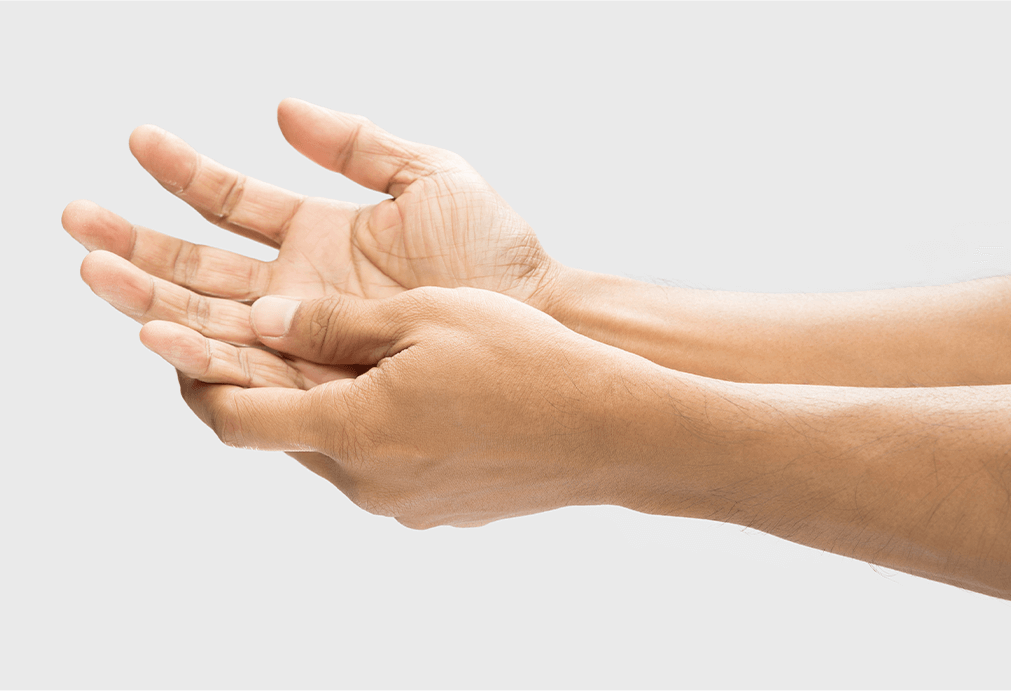
Hand tremor
-
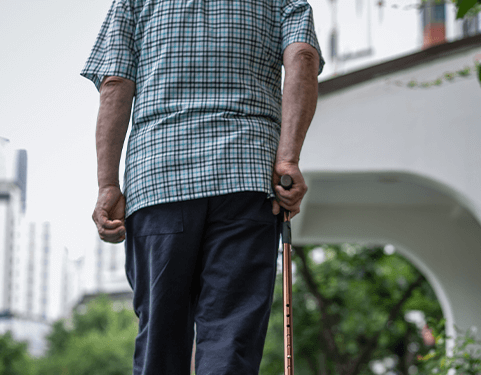

Slowed movement
-


Leaning of the upper body
-

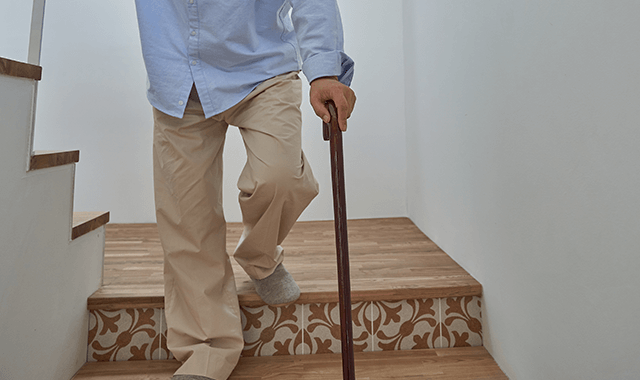
Staggering
-


Muscle stiffness
-

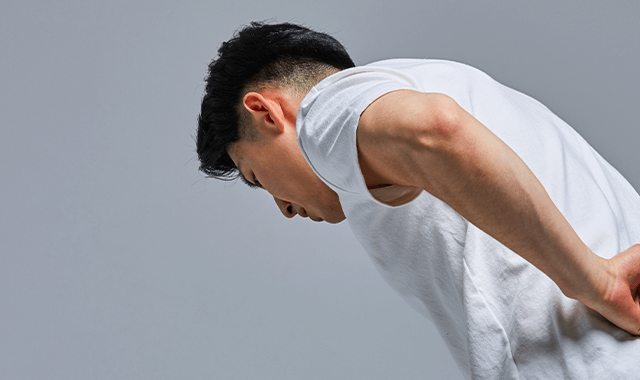
Postural instability
-


Neuropsychiatric symptoms
-


Cognitive decline
Movement Disorders Clinic - Parkinson’s Disease
Movement Disorders - Parkinson's disease
Parkinson's disease is 'incurable', so there is no need to go to hospital?!
It is a disease of old age, and it is much the same as dementia?!
That is not so.
A complete cure may be difficult, but
with appropriate treatment and management,
you can keep up your daily life into old age.
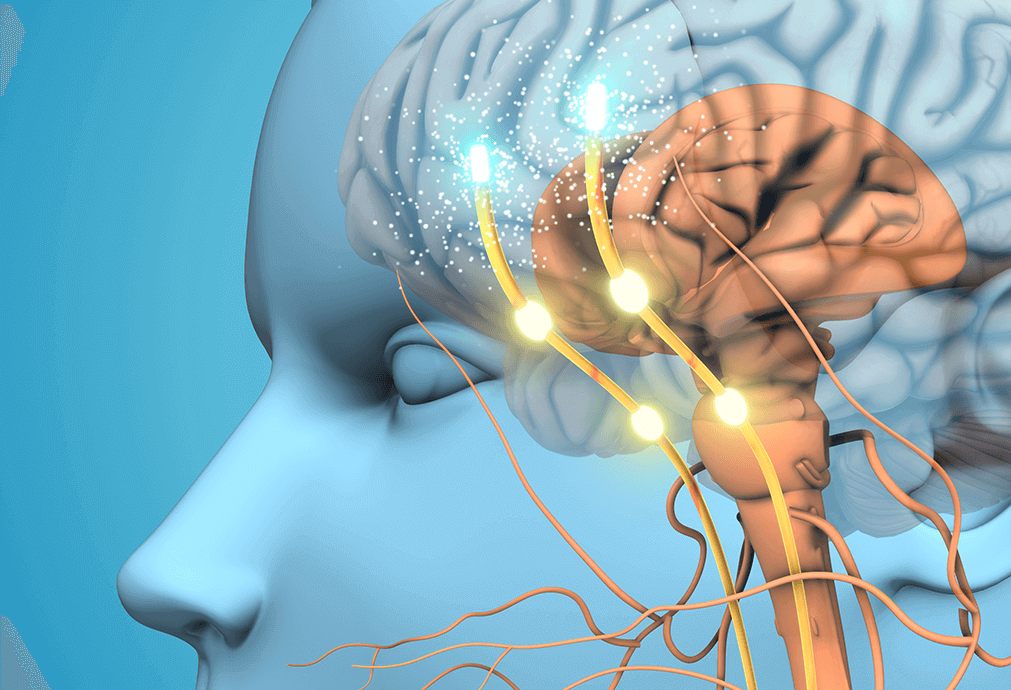
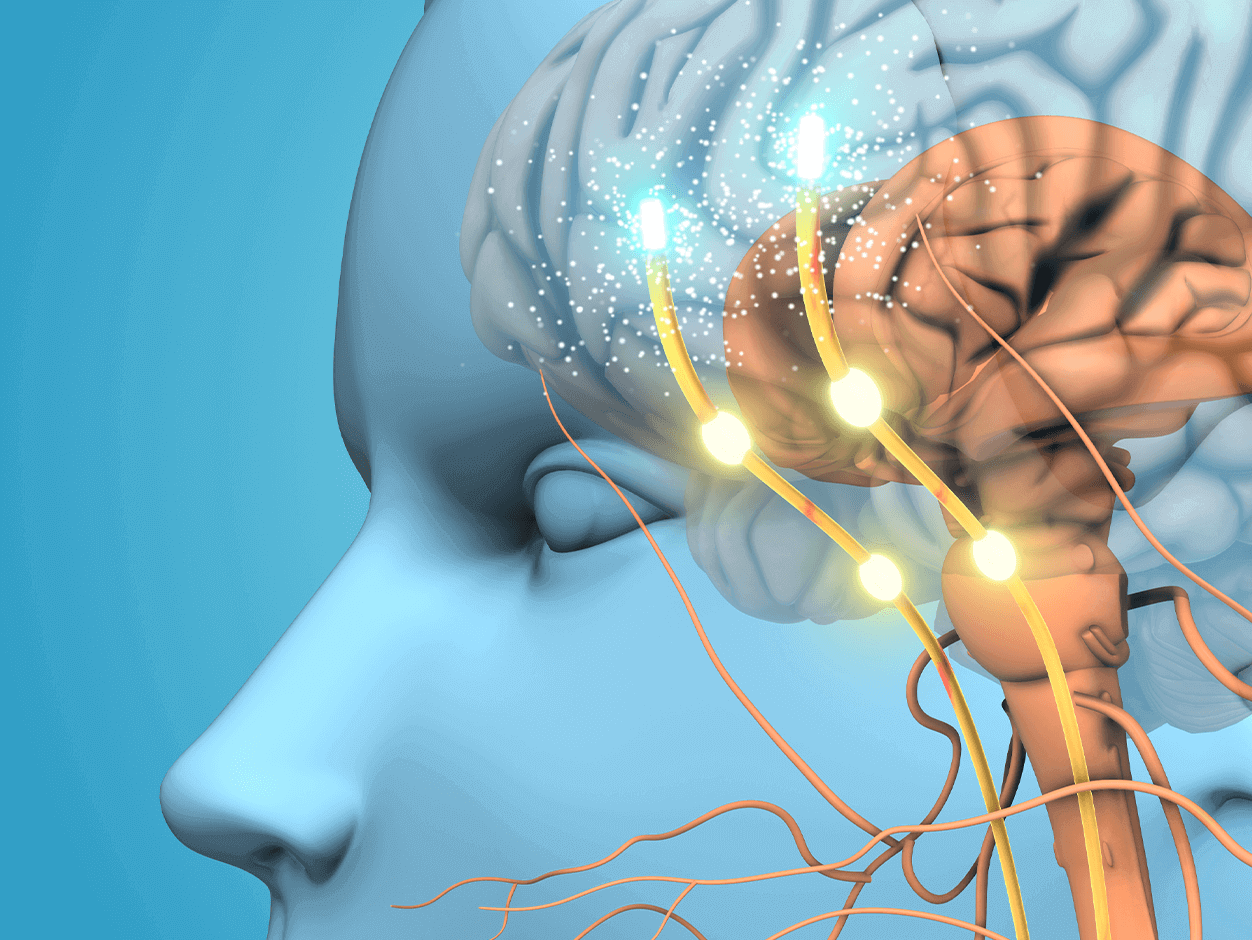
Main signs of Parkinson's disease
Check Point !
Parkinson's disease is the second most common degenerative brain disease after dementia,
and it occurs when dopamine, the neurotransmitter in the brain that is essential
for movement, is destroyed.
-
T
TremorTremor
-
R
RigidityRigidity
-
B
BraydykinesiaBradykinesia
-
P
Postual instabilityPostural instability
Taking the first letters of these, the main signs of Parkinson's disease are called
TRAPfor short.
The most reliable sign in early diagnosis
is 'resting tremor'.
Because tremor appears relatively early,
if this sign appears,
it is best to see a neurologist
immediately.
Symptoms of Parkinson's Disease
Main symptoms of Parkinson's disease
Because there is no single test that can confirm Parkinson's disease,
if abnormal symptoms appear you should obtain an accurate diagnosis from a specialist.
Parkinson's disease checklist
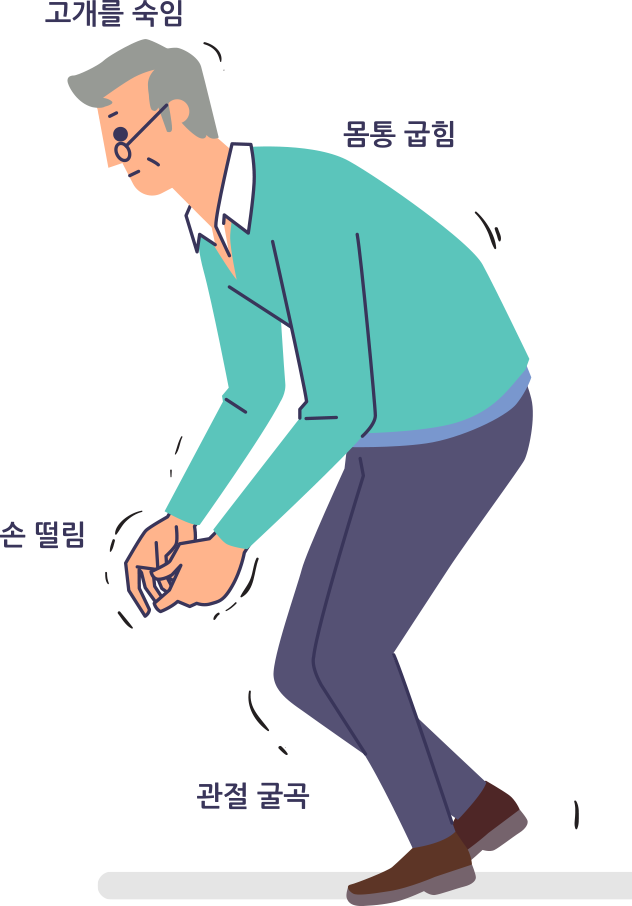
Typical symptoms of Parkinson's disease
-
Tremor in the hands or feetor jaw tremoris present.
-
Movements have become slower, and
fine movements are difficultis present. -
The muscles of the arms and legs become stiffbecomes.
-
The trunk bends forward and the head droops as well.
-
The facial expression becomes increasingly blankbecomes.
-
The elbows, wrists, hips and knees become flexed,
and the body bends forward. -
Tremor over 1~2 yearshas appeared and
is gradually getting worse.
Parkinson's disease -
is it different from parkinsonism?
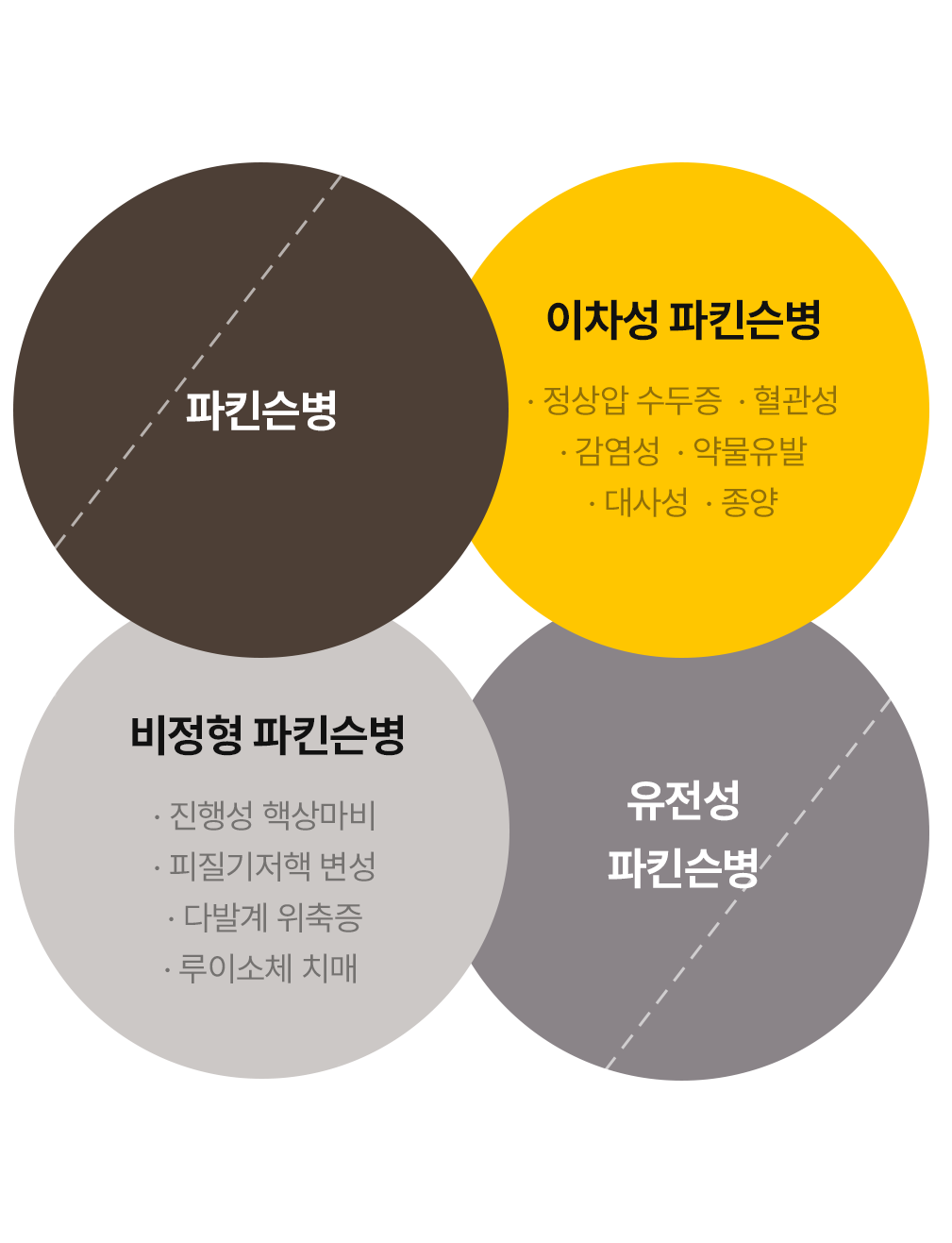
Many people think that Parkinson's disease and parkinsonism
are the same condition.
Parkinsonism is a concept that encompasses a number of diseases showing
clinical symptoms similar to those of Parkinson's disease, so
Parkinson's disease and parkinsonism
should be regarded as different diseases.
For an accurate differential diagnosis,
an accurate diagnosis by a specialist is needed.

Let go of the misconceptions
and receive the right treatment!
Check Point !


With Kwangdong Hospital,
you can maintain an independent life for a long time.
The only hospital where Neurology, Geriatric Medicine, Rehabilitation Medicine and Korean Medicine
can all work together in collaborative care
Treatment for Parkinson’s disease
Treatment methods for Parkinson's disease
For degenerative neurological disorders that progress slowly, such as Parkinson's disease,
it is important to set up a long-term treatment plan,
check symptoms regularly and
provide appropriate treatment.
-

 Step 1
Early stage
- · Exercise and lifestyle management
- · Start medication if necessary
-

 Step 2
Middle stage
- · Focused medication therapy (levodopa + adjuncts)
- · Combined rehabilitation exercise
-

 Step 3
Late stage
- · If the response to medication decreases,
consider 'deep brain stimulation'
- · If the response to medication decreases,
-

 Step 4
Lifelong management
- · Exercise therapy
- · Correction of eating habits
- · Rehabilitation therapy is essential
Movement Disorders Clinic - Tremor
Movement Disorders - Hand tremor
Hand tremor can arise from several factors acting together, so
finding the exact cause is important.
Kwangdong Hospital comprehensively assesses the causes, forms and related conditions of hand tremor
and evaluates them comprehensively to make a diagnosis.


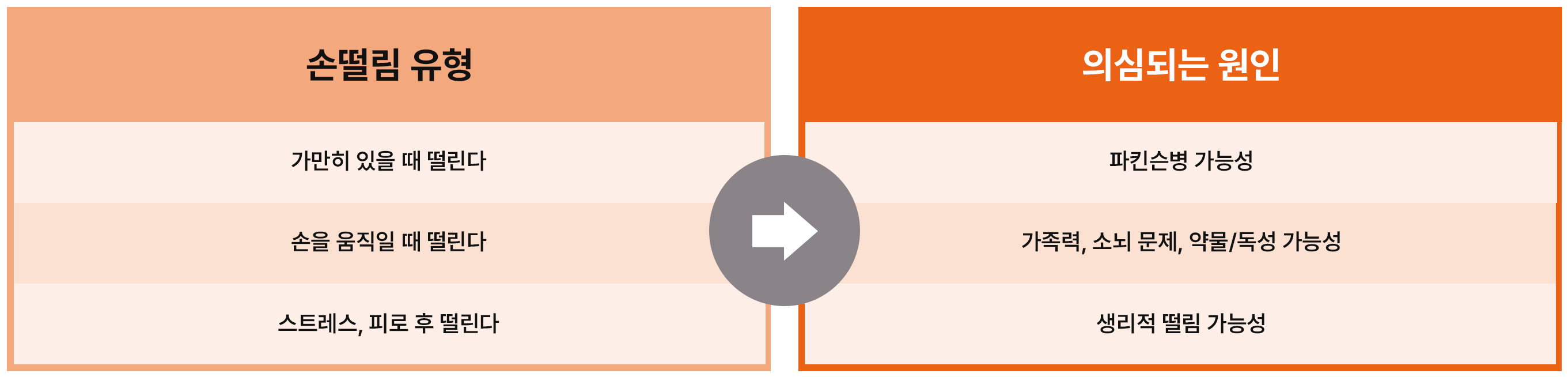
Main Types of Tremors
Main types of hand tremor
Regardless of your will, the hands move
regularly, as if with a rhythm.
Whether it is an essential tremor or a tremor caused by disease,
it is important to tell the two apart accurately.

Causes of Tremor
Causes of tremor
It can be caused by medications you are taking or by internal medical conditions,
and abnormalities of the nervous system, such as the central or peripheral nerves, can also be the cause.

- Genetic factors
- Among family members,
the same symptoms
If present
- Cerebellum
- Motor control and coordination
are handled by
the cerebellum —
functional problems
- Brain disorders
- Parkinson's disease and other
Brain disorders

- Medication
- antipsychotic drugs,
gastrointestinal drugs,
asthma drugs,
joint medications and the like

- Essential tremor
- With no specific
underlying cause
Tremor

- Physiological tremor
- Stress, fatigue,
low blood sugar and other
physiological causes
Diagnosis for Tremor
Tremor tests
Through a neurologist's careful diagnosis and neurological examination,
finding the exact cause is where tremor treatment begins.
-
Detailed medical history taking,
Neurological examination -
Brain imaging test
(MRI, MRA) -
Blood test
-
Electromyography (EMG) test
-
Evoked potential test
-
Autonomic nervous system test
-
Electroencephalography (EEG)
-
Videonystagmography (VNG)
Hand tremor can be treated
Check Point !
Through a neurologist's careful diagnosis and neurological examination,
finding the exact cause is where tremor treatment begins.
| Essential Tremor |
Parkinson's disease Related tremor |
Cerebellar damage Related tremor |
Physiological Tremor |
|
|---|---|---|---|---|
| Characteristics | Family history in 50~70% Especially common in older adults Occurs during movement Occurs symmetrically in both hands |
Occurs at rest A pill-rolling tremor, as if rubbing the fingers together Starts in one hand and gradually spreads to the other Tremor decreases with movement |
The closer to the target, the stronger the tremor (intention tremor), cerebellar disorders (stroke, multiple sclerosis, etc.): related |
A normal physiological response (stress, caffeine, fatigue, low blood sugar) Disappears once the cause is resolved |
| Medication Treatment |
Beta blockers, anticonvulsants, sedatives |
Dopamine replacement medication + adjuvant agents |
Riluzole, isoniazid, anticonvulsants, beta blockers |
Used only when necessary |
| Surgical Treatment |
Deep brain stimulation, Thalamotomy (ultrasound) |
Deep brain stimulation, Thalamotomy (ultrasound) |
Rehabilitation therapy and physical therapy are essential, occupational therapy (use of assistive devices for hand tremor) |
Lifestyle correction |
| In all cases, lifestyle management, exercise and physical therapy are needed | ||||
In all cases, lifestyle management, exercise
and physical therapy are needed
Kwangdong Hospital
Movement Disorders Clinic:
What makes us special
Check Point!
KD Movement Disorders Clinic


01
- University hospital-level diagnostic equipment on site!
- MRA, MRI, CT and more.
Using state-of-the-art equipment,
we diagnose neurological disorders at an early stage.
02
- A wide range of neurological disorders in one place!
- With accompanying cognitive impairment —
for degenerative neurological disorders,
we provide integrated care.
03
- Neurology, Geriatric Medicine, Rehabilitation Medicine,
Collaborative care system with Korean medicine! - Neurology, Geriatric Medicine, Rehabilitation Medicine,
and Korean medicine — diagnosis, treatment and rehabilitation
are all provided in one hospital, in a single stop.
Accurate Diagnosis & Treatment for
Complex Brain Disorders
Difficult brain disorders,
diagnosed and treated correctly
Because the brain has such diverse functions, when disease occurs
symptoms vary by the location and type of the lesion.
At the Department of Neurology of Kwangdong Hospital, a neurologist and former professor at Asan Medical Center draws on thorough history-taking, examination and precise testing.
We diagnose and treat difficult brain disorders correctly.
-
01


Extensive clinical experience
From headache and dizziness to dementia and stroke,
drawing on extensive clinical experience with brain disorders from mild to severe,
we present treatment solutions. -
02

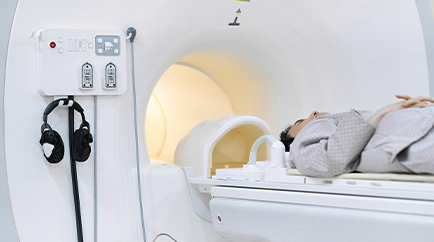
State-of-the-art precision diagnostic system
Through advanced imaging such as brain MRI, MRA and CT
and a range of neurological examinations,
we accurately diagnose everything from cause to symptom. -
03


Integrated collaborative care
Rehabilitation medicine, gastroenterology, Korean medicine and more:
multiple departments work together to provide
integrated treatment for neurological disorders.
Healthier brain, Healthier your later years
A promise for a healthy later life,
beginning with a healthy brain
For neurological disorders, prevention is the best treatment.
To manage disease efficiently, maintain a healthy brain
and prevent neurological disorders,
we provide holistic care from preventive screening to brain function treatment.


Neurologist, former professor at Asan Medical Center
Professor Kim Yeon-jeongprovides care in person


Consistent Neurological Research Activities
Ongoing neurological research
For continuous advancement, we take part in the neurology, stroke and dementia societies
and other academic societies on an ongoing basis.
-

[Are there genetic variants associated with the location
of cerebral artery lesions in stroke patients?] -

“Recurrent steroid-responsive cerebral vasogenic edema
in persistent migraine with persistent aura” -

[Effects of multicomponent exercise
on cognitive function in Korean older adults] -

“Location of cerebral atherosclerosis:
why do differences exist between East and West?” -

“Low-dose versus standard-dose intravenous alteplase
in bridging therapy for acute ischemic stroke:
the Korean ENCHANTED study”
-
[Are there genetic variants associated with the location
of cerebral artery lesions in stroke patients?] -
“Recurrent steroid-responsive cerebral vasogenic edema
in persistent migraine with persistent aura” -
[Effects of multicomponent exercise
on cognitive function in Korean older adults] -
“Location of cerebral atherosclerosis:
why do differences exist between East and West?” -
“Low-dose versus standard-dose intravenous alteplase
in bridging therapy for acute ischemic stroke:
the Korean ENCHANTED study”
University hospital-level medical system
University hospital-level testing and
care system in place
Check Point!


Comfortable and convenient
consultation and inpatient rooms
University hospital-level
diagnostic equipment

At every stage of testing and treatment,
specialist medical staff

Personalized
treatment programs