





Internal Medicine/Wellness Center
Internal Medicine / Integrative Wellness Center
Stroke Clinic
Stroke Clinic
Stroke Clinic
From stroke treatment and rehabilitation to preventive screening and risk factor management.
Neurologists, rehabilitation medicine specialists and internal medicine specialists work together
to provide comprehensive treatment and management for stroke.
Stroke is no longer
a disease of the elderly
Caused by the rupture of a cerebral aneurysm — a ‘balloon-like’ bulge —
subarachnoid hemorrhage, a form of cerebral hemorrhage,
occurs frequently in younger age groups as well.
Stroke can also lead to serious after-effects or death, so
prevention is extremely important.
Through care from a neurologist and preventive testing,
stroke risk factors must be managed consistently.
Stroke Clinic
Stroke Clinic
Stroke is the leading single-disease cause of death in Korea.
Brain damage can leave permanent after-effects or cause vascular dementia,
so early diagnosis, treatment and prevention are important.


Especially when there is a family history,
regular check-ups are extremely important.
Causes of Stroke
Causes of stroke
Only by finding and treating the cause of a stroke
can stroke be prevented.
-
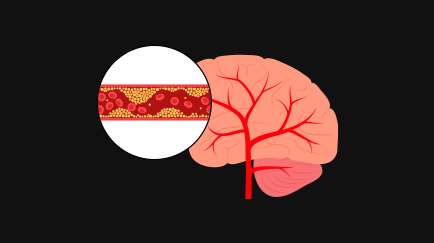
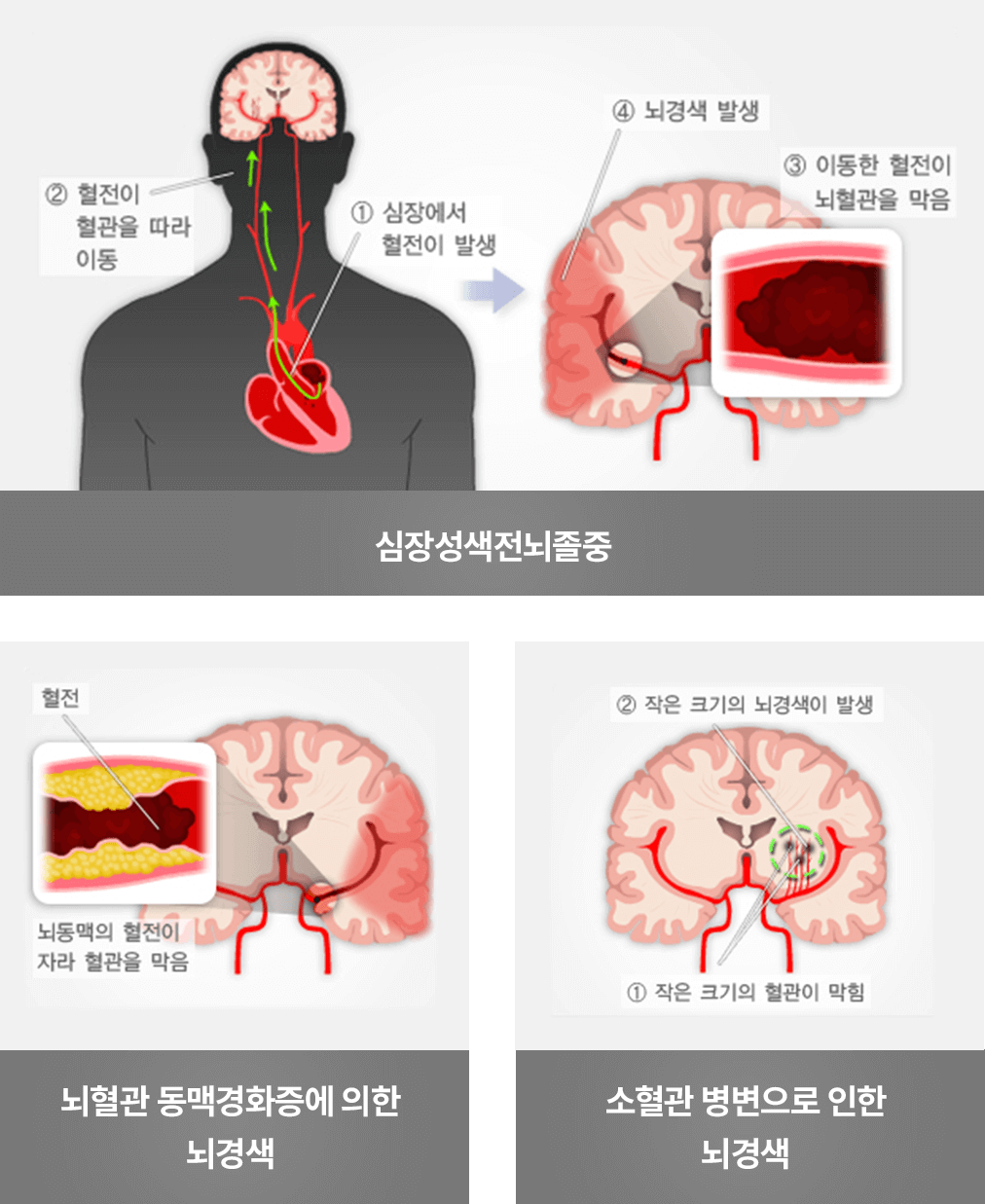
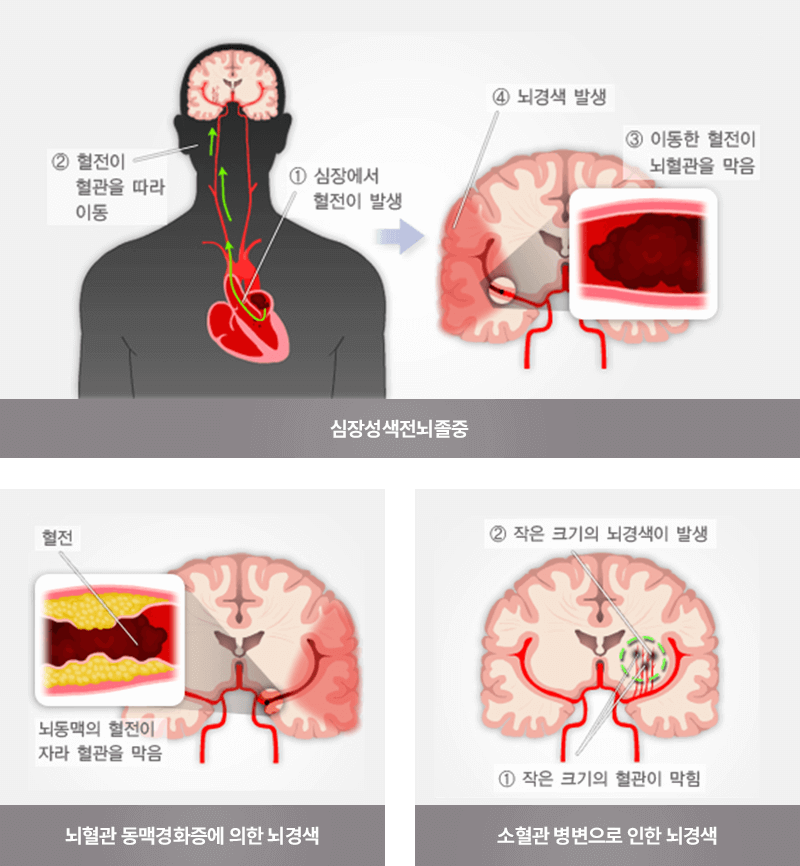
Ischemic stroke (cerebral infarction)
· Atherosclerotic thrombosis
· Embolism
· Vascular stenosis -

Hemorrhagic stroke (cerebral hemorrhage)
· Hypertensive hemorrhage
· Ruptured cerebral aneurysm
· Cerebral venous thrombosis
Factors of Stroke
Stroke risk factors
Family history, poor lifestyle habits, internal medical conditions and other
risk factors must be well managed to
prevent stroke and keep it from recurring.
-
Hypertension
-
Diabetes
-
Hyperlipidemia
-
Heart disease
-
Older age
-
History of cerebral infarction or cerebral hemorrhage
-
Family history
-
Carotid artery stenosis
-
Sleep apnea
-
Alcohol and tobacco
-
Obesity
-
Lack of exercise
Stroke Symptoms
Stroke symptoms
Even if symptoms appear only briefly and then disappear,
they may indicate a transient ischemic attack, so
it is important to be seen by a neurologist.
-

Facial palsy
-

Hemiplegia
-
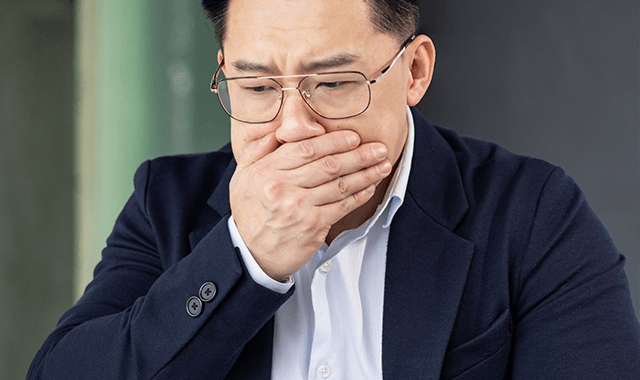
Speech impairment
-

Visual field impairment
-

Dizziness
-

Severe headache
-

Impaired consciousness
-

Dysphagia
F.A.S.T, for quick stroke assessment
Stroke:
remember FAST!
Stroke must be treated within the golden time
to minimize brain damage.
Be sure to remember the ‘FAST’ rule.
Face


- Facial paralysis
- Trembling and drooping on one side of the face
Arms


- Paralysis of one arm
- Weakness in one arm
Speech


- Speech impairment
- Slurred speech
Time


- Golden time
- See a doctor immediately
Stroke, no more only for elderies
Stroke diagnosis and preventive testing
Using advanced diagnostic equipment on a par with university hospitals,
we diagnose brain disease correctly.
When risk factors are properly managed after preventive testing,
the stroke recurrence rate can be lowered.
-
Detailed medical interview,
Neurological examination -
Brain imaging test
(MRI, MRA) -
Video Nystagmography (VNG)
-
Blood test
-
Autonomic nervous system
Examination -
Cardiac Examination
-
Hearing test
-
Nerve conduction study
-
Electroencephalography (EEG)
Treatment for Stroke
Stroke treatment methods
Stroke must be treated appropriately in the early stage
to minimize brain damage and after-effects.
-


Acute stroke treatment
Thrombolytic agents are used
to restore blood flow.
Treatment must be given within 4~5 hours. -


Cerebral hemorrhage treatment
To control bleeding and relieve
pressure, antihypertensives,
antithrombotic agents and other medications are used. -

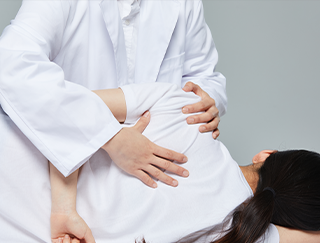
Rehabilitation therapy
If after-effects remain,
tailored rehabilitation such as physical therapy, speech therapy and occupational therapy
is carried out. -


Prevention and prevention of recurrence
Taking antithrombotic medication,
improving lifestyle habits
and managing internal medical conditions
help prevent recurrence.
Recommended for
preventive screening
Check Point !


The Kwangdong Hospital Stroke Clinic —
What makes us special
Check Point!
KD Memory Impairment Clinic


01
- University hospital-level diagnostic equipment on site!
- MRI, MRI, CT and more —
Using state-of-the-art equipment,
we diagnose brain disease at an early stage.
02
- Through collaboration with Internal Medicine,
systematic preventive management! - Through collaboration with Internal Medicine, hypertension, diabetes,
hyperlipidemia, arteriosclerosis and other
conditions that raise the risk of stroke
are managed systematically.
03
- Through collaboration with Rehabilitation Medicine,
personalized rehabilitation treatment! - In partnership with a rehabilitation medicine specialist from Severance,
we deliver
1:1 personalized rehabilitation treatment
here.
Accurate Diagnosis & Treatment for
Complex Brain Disorders
Difficult brain disorders,
diagnosed and treated correctly
Because the brain has such diverse functions, when disease occurs
symptoms vary by the location and type of the lesion.
At the Department of Neurology of Kwangdong Hospital, a neurologist who formerly served as a professor at Asan Medical Center provides care based on careful history taking, examination and precise testing,
We diagnose and treat difficult brain disorders correctly.
-
01


Extensive clinical experience
From headache and dizziness to dementia and stroke,
drawing on extensive clinical experience with brain disorders from mild to severe,
we present treatment solutions. -
02

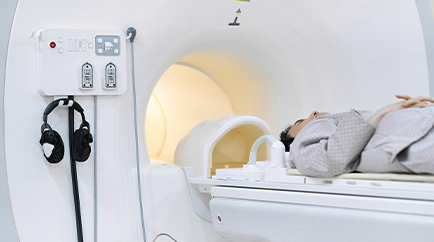
State-of-the-art precision diagnostic system
Through advanced imaging such as brain MRI, MRA and CT
and a range of neurological examinations,
we accurately diagnose everything from cause to symptom. -
03


Integrated collaborative care
Rehabilitation medicine, gastroenterology, Korean medicine and more:
multiple departments work together to provide
integrated treatment for neurological disorders.
Healthier brain, Healthier your later years
A promise for a healthy later life,
beginning with a healthy brain
For neurological disorders, prevention is the best treatment.
To manage disease efficiently, maintain a healthy brain
and prevent neurological disorders,
we provide holistic care from preventive screening to brain function treatment.


Neurologist, former professor at Asan Medical Center
Professor Kim Yeon-jeongprovides care in person


Consistent Neurological Research Activities
Ongoing neurological research
For continuous advancement, we take part in the neurology, stroke and dementia societies
and other academic societies on an ongoing basis.
-

[Are there genetic variants associated with the location
of cerebral artery lesions in stroke patients?] -

“Recurrent steroid-responsive cerebral vasogenic edema
in persistent migraine with persistent aura” -

[Effects of multicomponent exercise
on cognitive function in Korean older adults] -

“Location of cerebral atherosclerosis:
why do differences exist between East and West?” -

“Low-dose versus standard-dose intravenous alteplase
in bridging therapy for acute ischemic stroke:
the Korean ENCHANTED study”
-
[In stroke patients,
are there genetic variants
related to the location
of cerebral artery lesions?] -
“Recurrent steroid-responsive cerebral vasogenic edema
in persistent migraine with persistent aura” -
[On the cognitive function
of Korean older adults
on cognitive function in Korean older adults] -
“Location of cerebral atherosclerosis:
why do differences exist between East and West?” -
“Low-dose versus standard-dose intravenous alteplase
in bridging therapy for acute ischemic stroke:
the Korean ENCHANTED study”
University hospital-level medical system
University hospital-level testing and
care system in place
Check Point!


Comfortable and convenient
consultation and inpatient rooms
University hospital-level
diagnostic equipment

At every stage of testing and treatment,
specialist medical staff

Personalized
treatment programs