





Internal Medicine/Wellness Center
Internal Medicine / Integrative Wellness Center
Memory Disorder Clinic
Memory Impairment Clinic
Memory Disorder Clinic
With cognitive function testing and state-of-the-art brain imaging,
we identify the underlying disease causing the memory impairment.
From neurology care to cognitive rehabilitation delivered with Rehabilitation Medicine —
we provide it all one-stop at a single hospital.
Is memory decline
making daily life difficult?
Memory decline is a natural part of aging, but
if it is severe enough to interfere with daily life,
a degenerative disease such as Alzheimer's or vascular dementia may be the cause.
To determine the exact cause, an accurate diagnosis by a specialist and
detailed testing based on the suspected cause are needed.


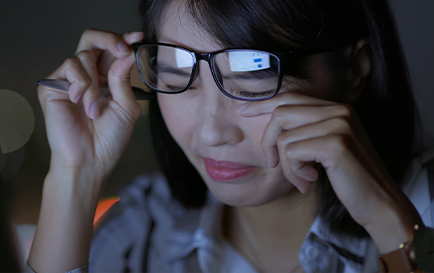
‘Dementia’ is different from forgetfulness
Check Point !
Because simple forgetfulness and dementia differ in their causes and treatments,
it is important to have a neurologist diagnose them
and tell them apart accurately.
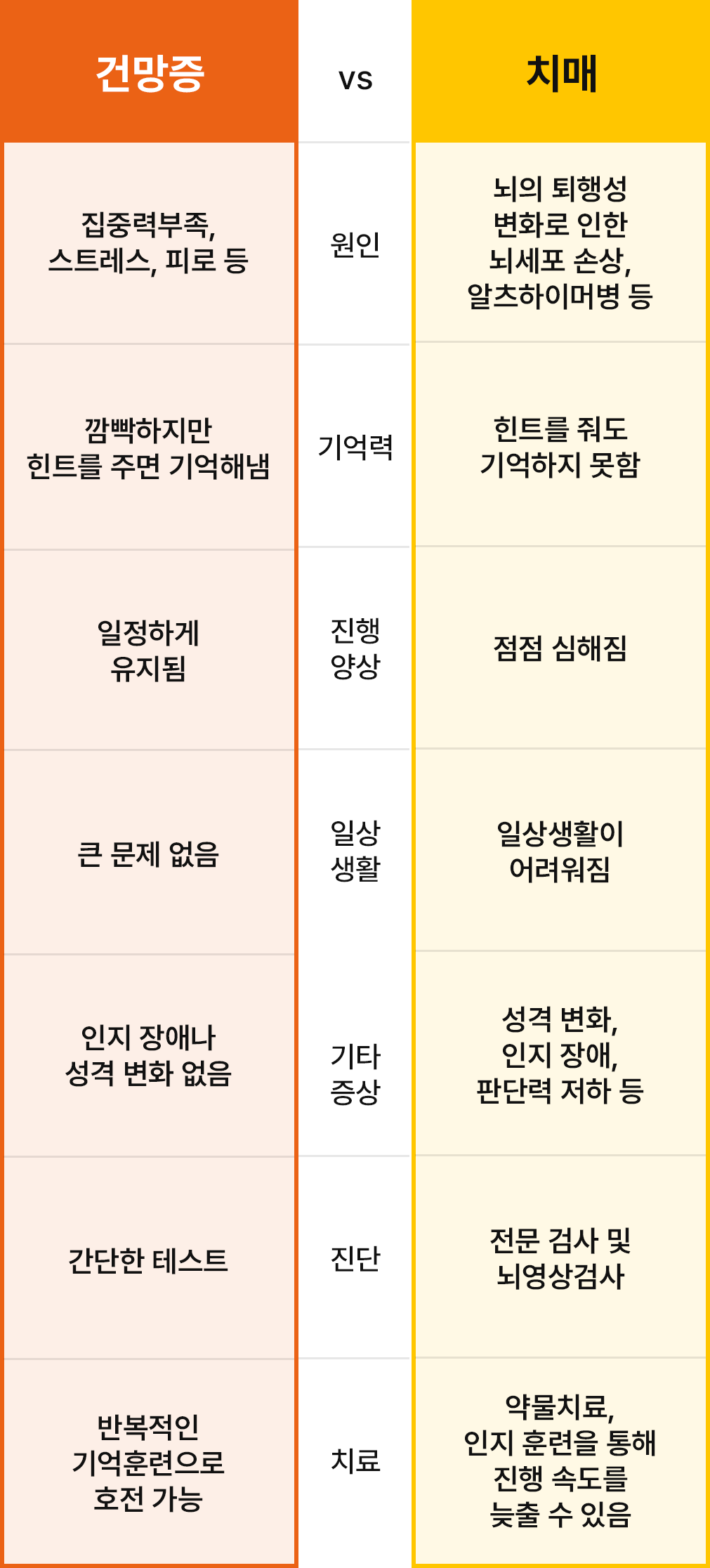

Causes of Dementia
Causes of dementia
Any disease that causes overall damage to brain function
can bring on dementia;
Alzheimer's disease and impaired cerebral circulation are the most common causes.
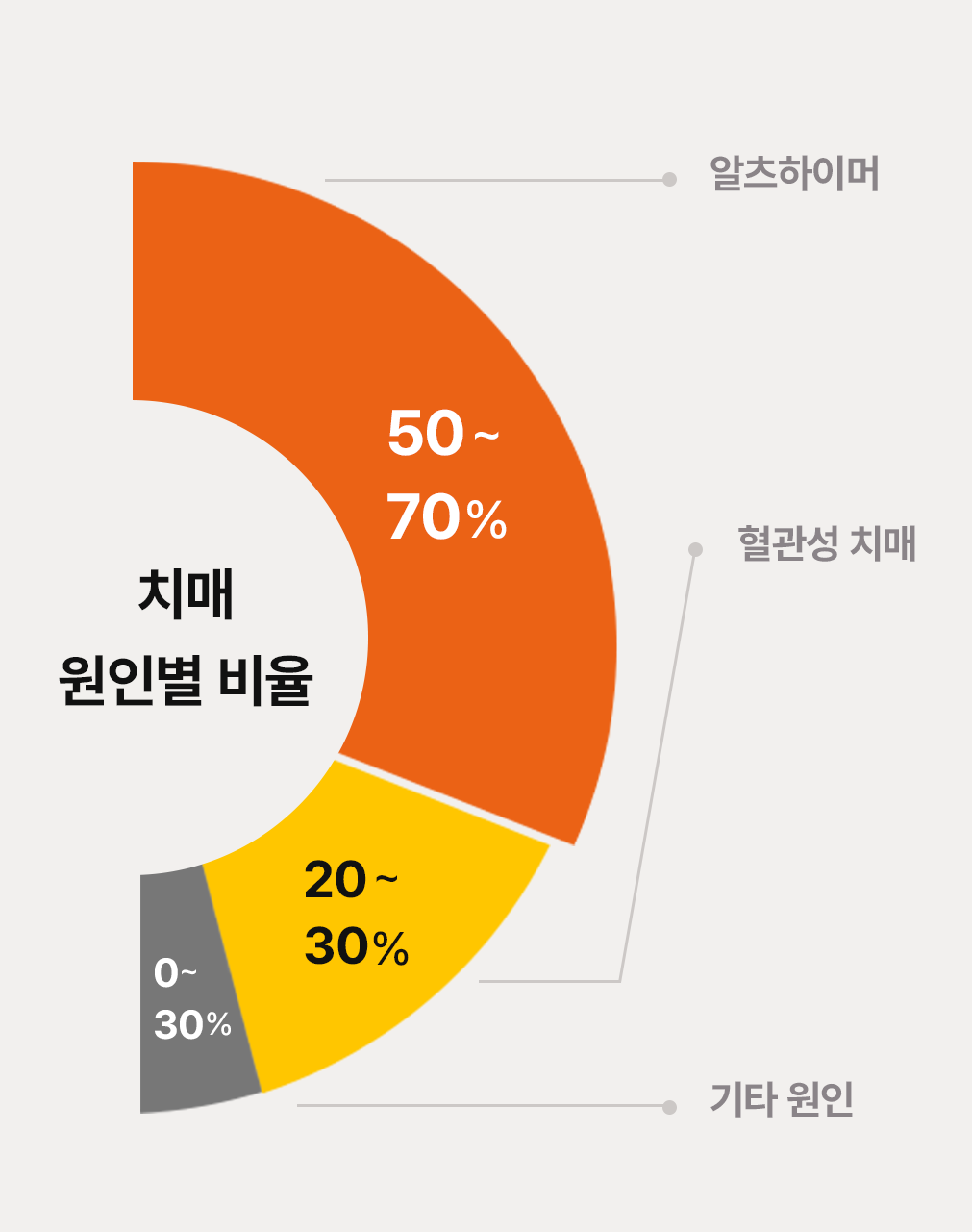
Proportion of dementia by cause

-
01 Alzheimer's (50~70%)
Nerve cells are gradually destroyed,
and as a result brain tissue is lost and the brain atrophies.
Memory decline → decline in language ability → loss of judgment:
this is the order in which it tends to progress. -
02 Vascular dementia (20~30%)
It occurs when cerebral blood vessels become blocked or rupture,
and is closely related to stroke, hypertension and diabetes.
Decline in judgment and concentration is more prominent than memory loss. -
03 Other causes (0~30%)
There are more than 70 other causes, including frontotemporal degeneration, Parkinson's disease, brain tumor, metabolic disorders, toxic disorders and infectious diseases.
Restorable Dementia
Which types of dementia can be cured?
Dementia caused by a brain tumor, an infection or another disease
can improve with appropriate treatment.
-


Hydrocephalus
-

Benign brain tumor
-


Thyroid disease
-

Nervous system infection
-

Vitamin deficiency
Diagnosis for Dimentia
Dementia testing and diagnosis
Because memory decline arises from a variety of causes,
For an accurate differential diagnosis,
diagnosis and testing by a neurologist are essential.
-
Detailed medical history taking,
Neurological examination -
Brain imaging test
(MRI, PET) -
Blood test
-
Genetic testing
(ApoE genotype) -
Cognitive function test
-
Electroencephalography (EEG)
-
Cerebrospinal fluid test
(if needed) -
Activities of daily living impairment scale
Geriatric Depression Scale test
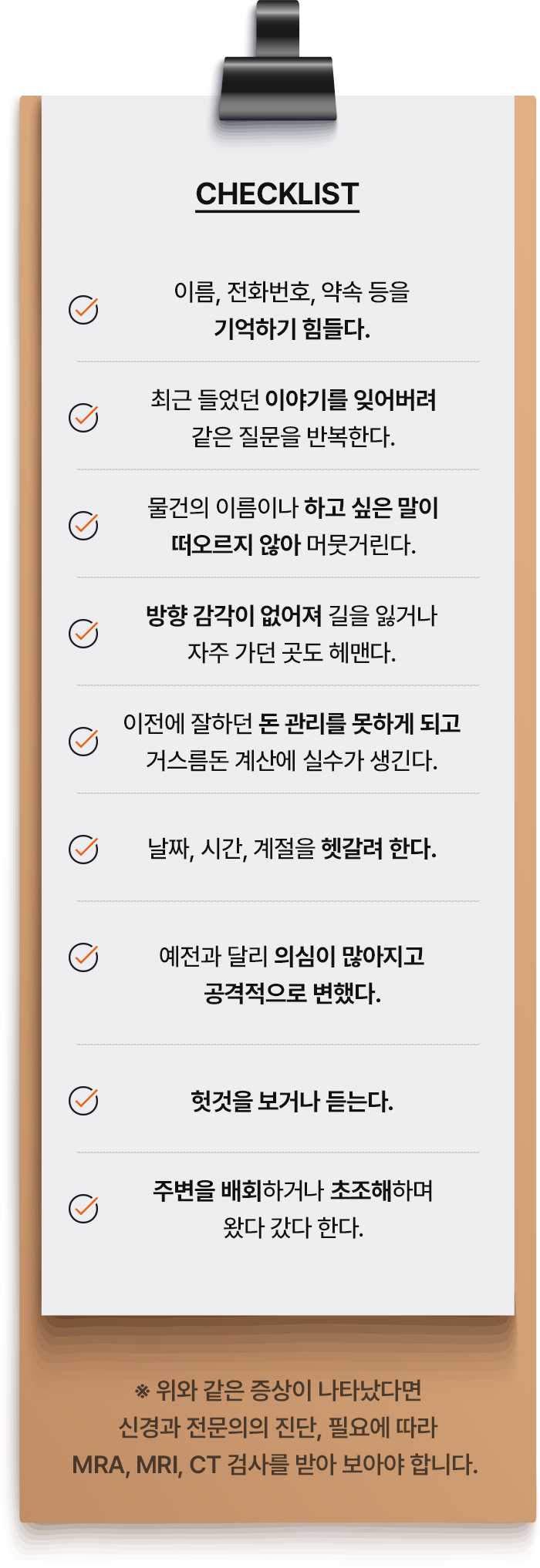
Symptoms of Dementia
Dementia symptoms

Treatment for Dimentia
Dementia prevention and treatment methods
Dementia is not a natural process that comes with growing older.
Early treatment and management can slow the progression of symptoms, and
Quality of life can be improved.
-

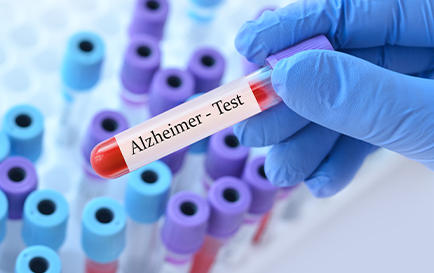
Early diagnosis
Alzheimer's risk genetic testing,
brain MRI, blood tests and cognitive function testing -


Drug therapy
Use of medication that slows the progression of dementia
-


Non-pharmacological treatment
Through cognitive training and rehabilitation therapy,
the progression of symptoms is slowed -


Psychosocial therapy
Through emotional support and family education,
psychological stability is fostered -


Prevention program
Regular preventive check-ups,
connection to government and local authority programs, and more
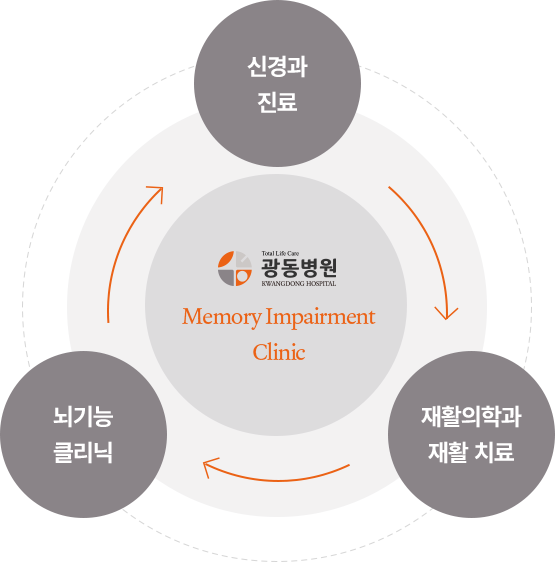
The Kwangdong Hospital Memory Disorder Clinic —
What makes us special
Check Point!
KD Memory Impairment Clinic

01
- University hospital-level diagnostic equipment on site!
- MRI, MRA, CT and more —
Through imaging examinations
brain disease is diagnosed
early, and
progression to cerebrovascular disease
is prevented.
02
- Medical staff who were university hospital professors!
- With 10 years of practice at Asan Medical Center,
our neurologist
draws on extensive clinical experience
to provide attentive care.
03
- Through collaboration with Rehabilitation Medicine,
personalized rehabilitation treatment! - In partnership with a rehabilitation medicine specialist from Severance,
we deliver
1:1 personalized rehabilitation treatment
here.
Accurate Diagnosis & Treatment for
Complex Brain Disorders
Difficult brain disorders,
diagnosed and treated correctly
Because the brain has such diverse functions, when disease occurs
symptoms vary by the location and type of the lesion.
At the Department of Neurology of Kwangdong Hospital, a neurologist who formerly served as a professor at Asan Medical Center provides care based on careful history taking, examination and precise testing,
We diagnose and treat difficult brain disorders correctly.
-
01


Extensive clinical experience
From headache and dizziness to dementia and stroke,
drawing on extensive clinical experience with brain disorders from mild to severe,
we present treatment solutions. -
02

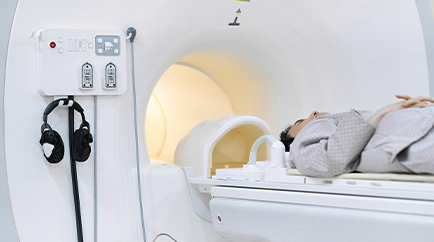
State-of-the-art precision diagnostic system
Through advanced imaging such as brain MRI, MRA and CT
and a range of neurological examinations,
we accurately diagnose everything from cause to symptom. -
03


Integrated collaborative care
Rehabilitation medicine, gastroenterology, Korean medicine and more:
multiple departments work together to provide
integrated treatment for neurological disorders.
Healthier brain, Healthier your later years
A promise for a healthy later life,
beginning with a healthy brain
For neurological disorders, prevention is the best treatment.
To manage disease efficiently, maintain a healthy brain
and prevent neurological disorders,
we provide holistic care from preventive screening to brain function treatment.


Neurologist, former professor at Asan Medical Center
Professor Kim Yeon-jeongprovides care in person


Consistent Neurological Research Activities
Ongoing neurological research
For continuous advancement, we take part in the neurology, stroke and dementia societies
and other academic societies on an ongoing basis.
-

[Are there genetic variants associated with the location
of cerebral artery lesions in stroke patients?] -

“Recurrent steroid-responsive cerebral vasogenic edema
in persistent migraine with persistent aura” -

[Effects of multicomponent exercise
on cognitive function in Korean older adults] -

“Location of cerebral atherosclerosis:
why do differences exist between East and West?” -

“Low-dose versus standard-dose intravenous alteplase
in bridging therapy for acute ischemic stroke:
the Korean ENCHANTED study”
-
[Are there genetic variants associated with the location
of cerebral artery lesions in stroke patients?] -
“Recurrent steroid-responsive cerebral vasogenic edema
in persistent migraine with persistent aura” -
[Effects of multicomponent exercise
on cognitive function in Korean older adults] -
“Location of cerebral atherosclerosis:
why do differences exist between East and West?” -
“Low-dose versus standard-dose intravenous alteplase
in bridging therapy for acute ischemic stroke:
the Korean ENCHANTED study”
University hospital-level medical system
University hospital-level testing and
care system in place
Check Point!


Comfortable and convenient
consultation and inpatient rooms
University hospital-level
diagnostic equipment

At every stage of testing and treatment,
specialist medical staff

Personalized
treatment programs